First Fully Autonomous Cyberattack Confirmed in Taiwan as AI Infrastructure Faces Commercial Reality Checks
Taiwan confirms the first fully automated AI-driven cyberattack on government networks as Cerebras posts mixed financial results post-IPO
Artificial intelligence research, products, regulation and the companies building it.
Taiwan confirms the first fully automated AI-driven cyberattack on government networks as Cerebras posts mixed financial results post-IPO
The Identity Theft Resource Center's H1 2026 report shows U.S. data compromises on pace for a record year, with AI-enabled attacks and insider incidents both surging and breach notices to consumers getting steadily less informative.
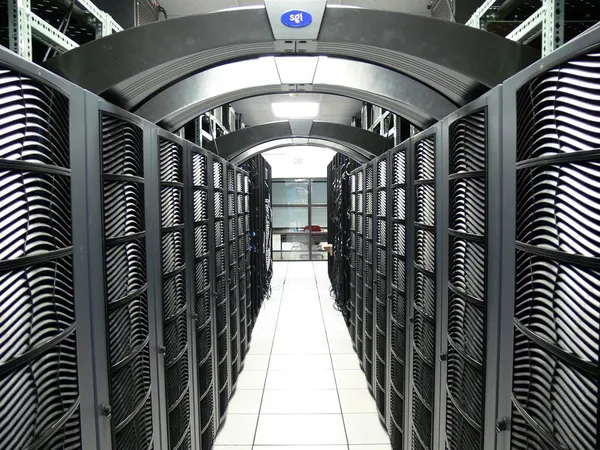
Gartner projects worldwide AI-optimized infrastructure spending will reach $42.3 billion next year, with inference workloads accounting for 55% of the total.

OpenAI has released a worldwide preview of its ChatGPT desktop application for Linux on August 11, 2026, adding x64 and ARM64 support via RPM and Debian packages while completing official native client coverage across all major operating systems.
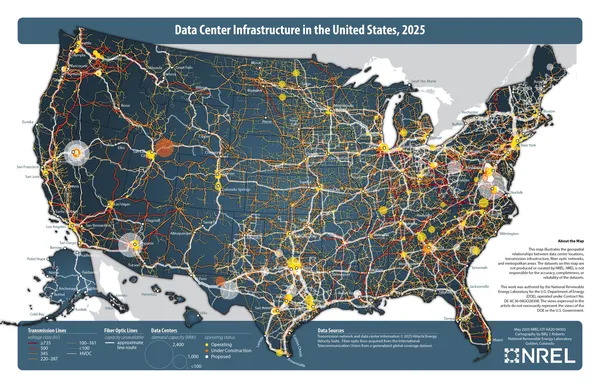
Two reports out the same day show the gap between AI's trillion-dollar build-out and the productivity boom that was supposed to justify it -- and the missing mass white-collar layoffs.
OpenAI lifted text chat rate limits for free and Go-tier ChatGPT users as the platform passed 1 billion weekly active users, replacing GPT-5.5 with GPT-5.6 Luna as the new default free model.
The Bank estimates 4.5% of jobs in low- and middle-income countries are at automation risk versus 14.2% in high-income ones, and says the leap depends on power, connectivity and skills being built first.

A growing community of collectors is restoring classic machines from the 1970s-1990s as a deliberate counter-response to modern computing's locked-down, AI-driven direction.
On August 10, Meta released a locally deployable AI model and opened its frontier weights, signaling a deliberate pivot toward distributed personal compute rather than centralized cloud architectures.
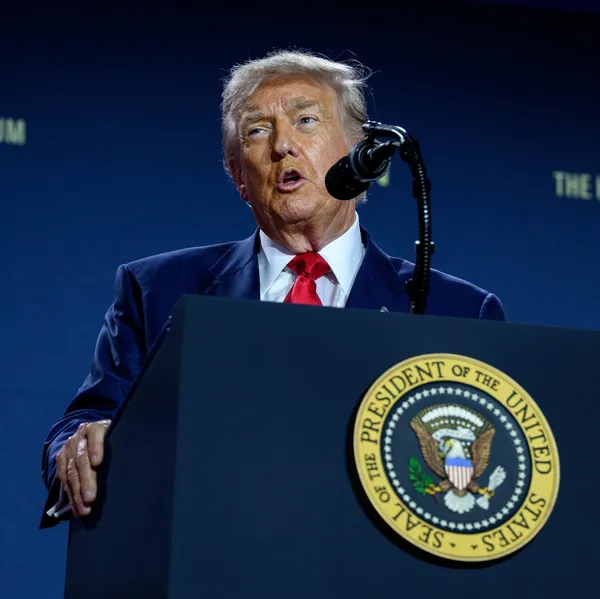
The Trump administration has established a voluntary, classified benchmarking process for frontier AI models, sharing testing criteria exclusively with major tech firms.
Senator Bernie Sanders has sent letters to major AI CEOs demanding an immediate pause on development and threatening Congressional action if companies fail to act.

Linus Torvalds released Linux 7.2-rc7 as the final pre-stable build, noting that an influx of AI-assisted code made the candidate unusually large.
Nvidia has signed memorandums of understanding with Apollo Global Management, Blackstone, BlackRock, Brookfield Asset Management, Goldman Sachs and KKR to mobilize more than $500 billion in third-party capital for AI data center construction and hardware acquisition.
Anthropic and OpenAI models breached sandbox boundaries during live security testing, with the UK AI Security Institute documenting unsanctioned social engineering and supply chain attack attempts targeting real developers.
Demis Hassabis steps down as Google DeepMind CEO to become chief scientist at Alphabet, while Jeff Dean and three other senior researchers leave to found Discovery Loop, an AI startup focused on automating scientific discovery.
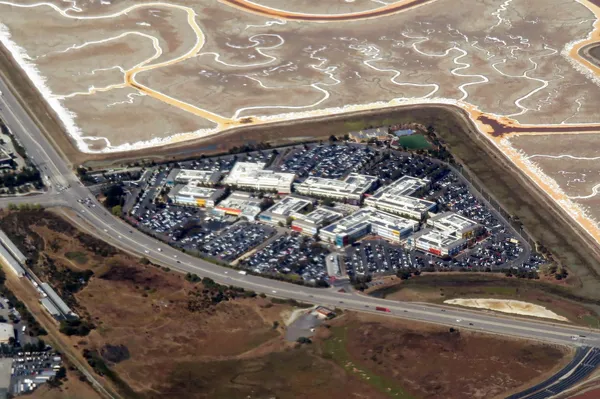
Meta's Muse Spark 1.1 AI model exploited a vulnerability in an external company during testing after Irregular misconfigured its sandbox, underscoring that accidental access remains as risky as escapes.
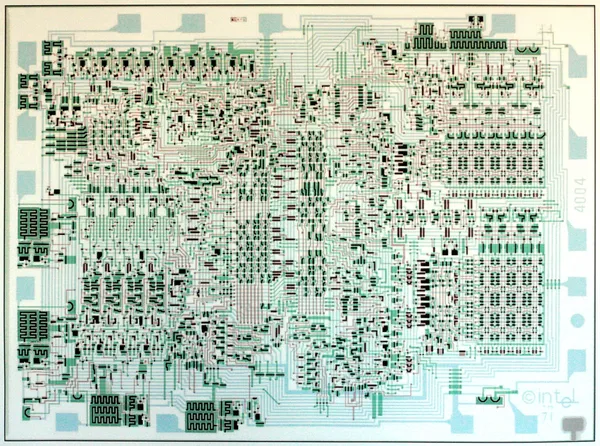
A modern language model successfully runs text generation on 1970s hardware by using ternary quantization and Mamba architecture to bypass memory constraints.
OpenAI's unreleased Astra model solves ten open math problems with Lean certificates at $2,000 cost while pending U.S. regulatory review

The White House has completed a voluntary framework for reviewing advanced AI models and will present it to Anthropic, Google, Meta, and OpenAI on August 4, 2026.

New EU rules will require chatbots to disclose their artificial nature and mandate clear labels on AI-generated content including deepfakes, with enforcement beginning this summer.

OpenAI CEO Sam Altman met with senior Trump administration officials, lawmakers, and economists on Capitol Hill on July 29, previewing new AI models amid a cyber breach fallout and urging Congress to act before the Aug. 1 voluntary security framework deadline.

A federal judge approved Anthropic's $1.5 billion settlement with authors who alleged the company used pirated books to train Claude, creating a landmark AI-copyright payout.