A New Wild Cat Species Has Been Named for the First Time in Over a Century
The Leopardus tilcayo, or tilcayo tiger cat, is a small, spotted feline native to Bolivia's cloud forests, formally described in Current Biology, making it the first new living wild cat species identified since 1923.
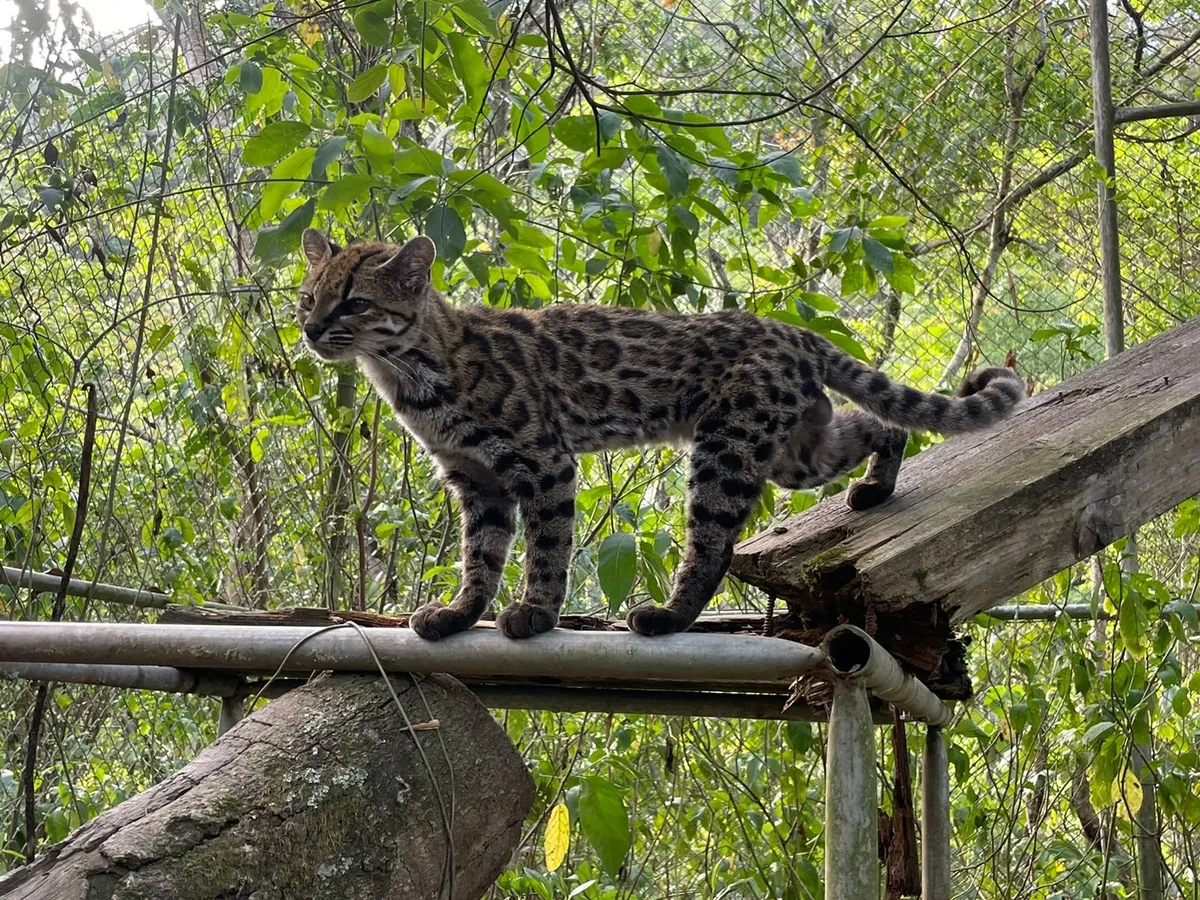

For the first time in more than a hundred years, scientists have formally described a new living species of wild cat. The discovery, detailed in a paper published in Current Biology on September 17, 2026, is the Leopardus tilcayo—a slender, spotted feline smaller than a typical house cat, weighing about 3 pounds. Its home is the Yungas cloud forest of Bolivia.
The cat, also known as the tilcayo tiger cat, was first noticed at a wildlife sanctuary near La Paz. This discovery marks a significant milestone in zoology, as the last feline species to be formally identified was the Uruguayan pampas cat all the way back in 1923. The announcement, reported by both PBS NewsHour and NBC News, closes a century-long gap in the taxonomic catalog of the world’s cats.
Genetic analysis played a crucial role in confirming Tilcayo as a distinct species. Researchers conducted genetic testing on 38 individual cats, revealing that this lineage split from other tiger cat species approximately 1.4 million years ago. This long evolutionary separation supports its classification as a unique species rather than a subspecies of a known cat.
The finding underscores how much remains unknown about biodiversity in remote ecosystems like the cloud forests of the Andes. While the species is new to Western science, its presence was likely known to local communities long before the sanctuary sighting brought it to the attention of researchers. The formal description provides a critical baseline for conservation efforts, giving this elusive predator a name and a place in the scientific record.
The last time a wild cat received such recognition, the world was in a different era entirely. With the identification of the tilcayo tiger cat, the roster of living cat species grows by one, and a new chapter opens in the study of South American carnivores.