Low arginine levels weaken immune detection of cancer and viruses by stalling MHC-1 protein production
Arginine levels determine whether tumor cells display the surface markers the immune system needs to recognize them.
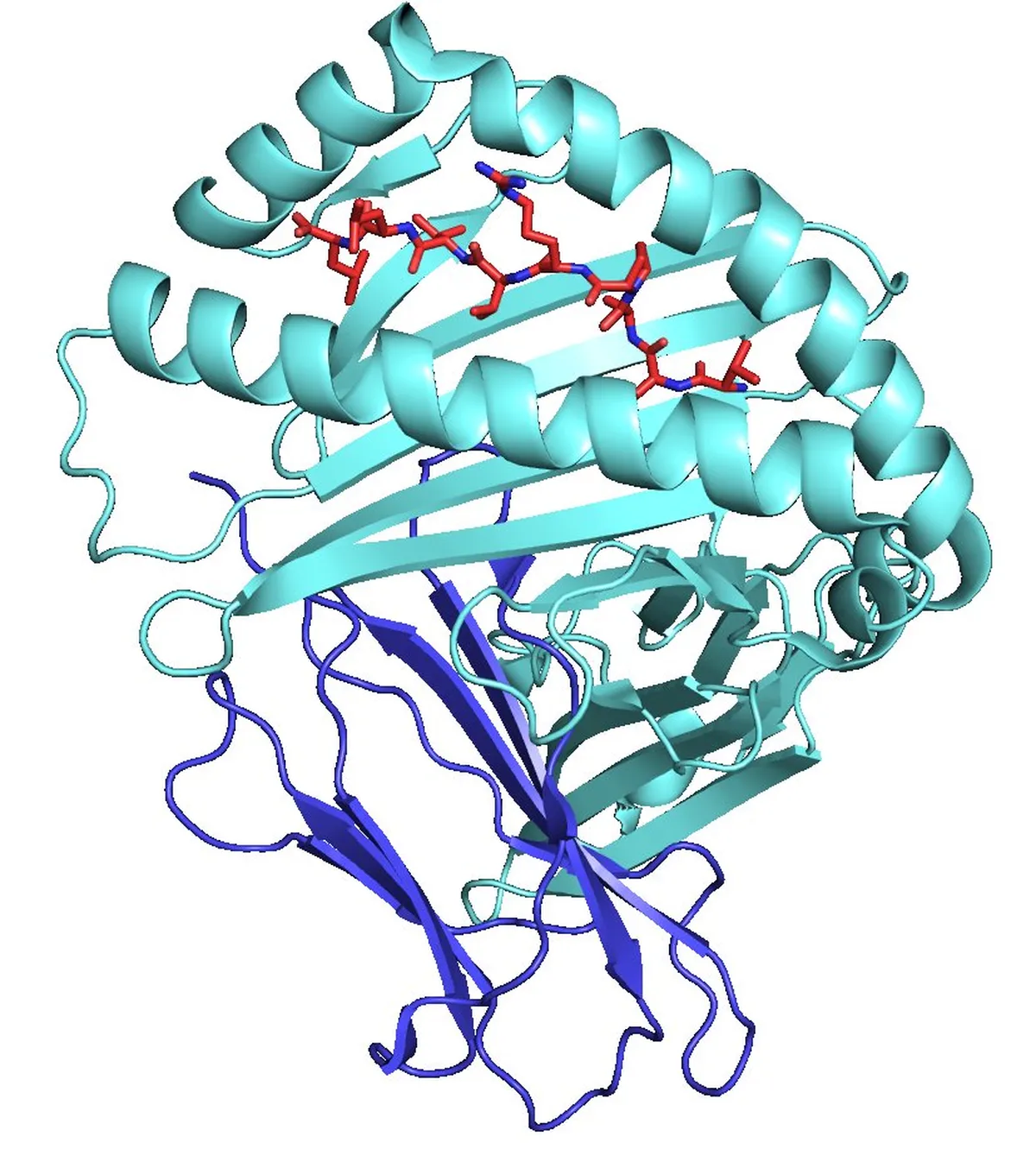

A simple amino acid may sit at the bottleneck of how the immune system flags cancer and virus-infected cells for destruction. Research published in Cell on July 30, 2026, found that when arginine levels drop inside tumors and infected tissues, the cells stop producing enough MHC-1 proteins, the surface molecules that present fragments of abnormal or foreign proteins to T cells. Without those displays, diseased cells effectively become invisible to the immune system — not because they’ve evolved to hide, but because the raw material for being seen has run out.
The arginine connection is more direct than the usual metabolic escape routes cancers use to dodge immunity. Rather than silencing MHC-1 genes through complex epigenetic reprogramming, low arginine starves the protein-production machinery of a necessary substrate, stalling assembly at the source. According to the Rockefeller University team behind the finding, even a moderate increase in available arginine was enough to restore MHC-1 gene expression in experimental models, reversing much of the immune blindness without requiring engineered cell therapies or checkpoint inhibitors.
In mice, the dietary implications were measurable. Groups fed arginine-rich diets developed fewer colon tumors and experienced milder viral infections compared with controls on standard or arginine-deficient diets. The results were consistent enough across models that the Rockefeller group and the ScienceDaily coverage drew broadly similar conclusions from the data: what looked like immune evasion by tumors was in large part a nutrient-supply problem masquerading as a sophisticated adaptation.
What makes the finding clinically interesting is that the mechanism is upstream of the usual therapeutic targets. Checkpoint blockade drugs work by releasing brakes on T cells that are already present and armed, but they can only engage targets those T cells can actually see. If a tumor’s surface MHC-1 display is thin because of a local arginine shortage, even a fully unleashed immune response has nothing to latch onto. Arginine supplementation wouldn’t replace immunotherapy — it might make existing therapies functional in cases where they currently aren’t.
The mouse data still needs to translate to human trials, and the precise dosing window matters: too little won’t restore MHC-1, and cancer cells are already known to scavenge amino acids aggressively. But the core observation is unusually clean for an immunology story — a single metabolite, a single protein, a single downstream consequence that can be traced from what the cell has to eat to whether the immune system can find it at all.