Three Bones from the 1990s Reveal a Lost Giant Salamander
Fossil vertebrae found in Japan more than two decades ago have been identified as a new genus and species of giant salamander that lived 3.5 million years ago.
.png)
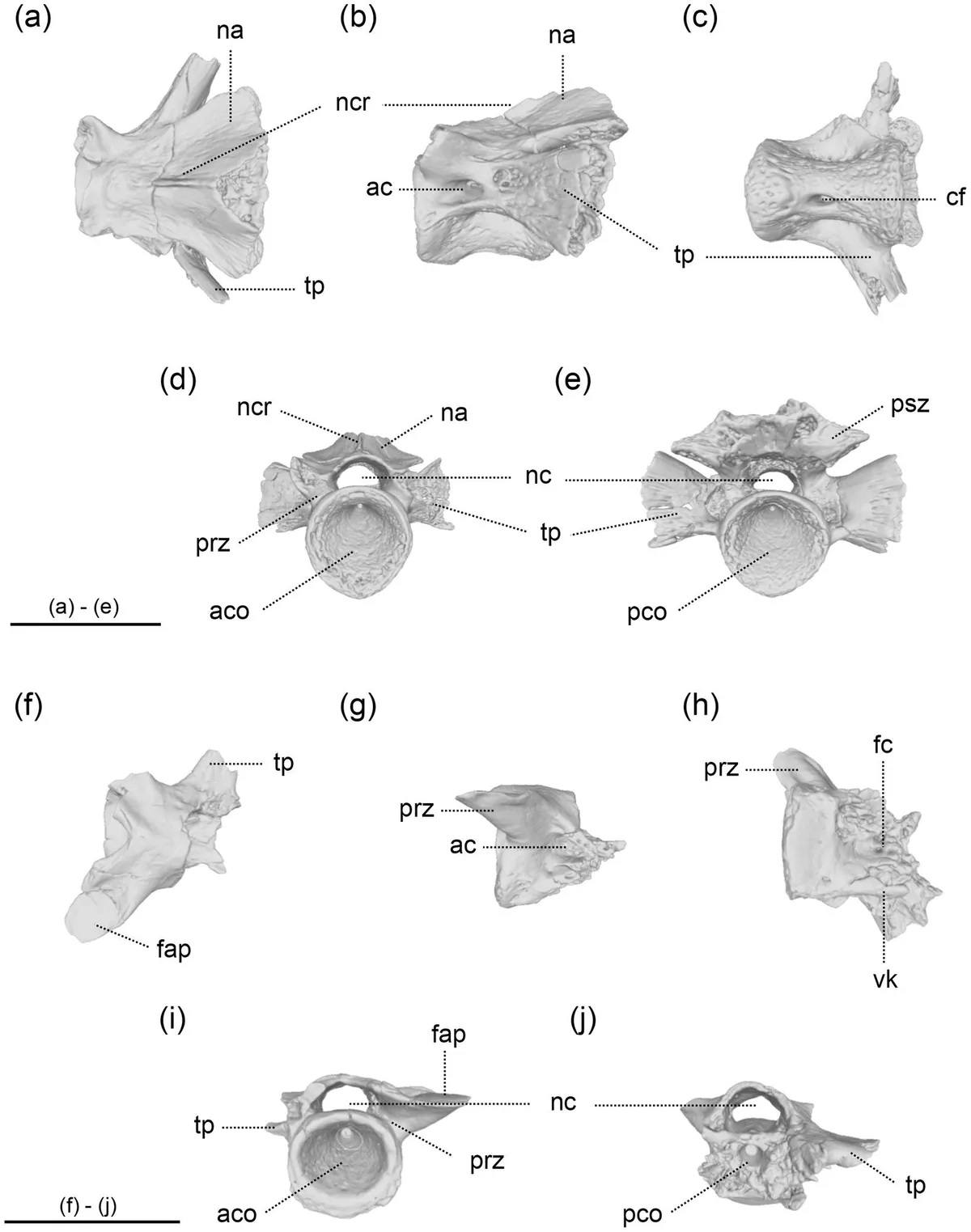
Three fossil vertebrae unearthed in the Ajimu region of Japan in the late 1990s sat unidentified for years, until a Kyoto University research team recently re-examined them and recognized they belonged to something entirely new. The team’s analysis, published in July 2026, identified the bones as part of a new genus and species of giant salamander named Limnospondylus ajimuensis, which lived around 3.5 million years ago and may have reached 1.1 meters in length. The fossils represent the only known Pliocene-era record of the giant salamander family Cryptobranchidae from Japan.
The specimens consist of three vertebrae from a single individual, and their anatomical features were distinctive enough to warrant not just a new species but an entirely new genus. The mid-trunk vertebra in particular contained distinctive anatomical features that justified the creation of both a new species and a new genus, Limnospondylus ajimuensis. These features set it apart from both living giant salamanders and other fossil relatives, suggesting a lineage that diverged from the known branches of the family tree.
The Ajimu site itself holds a unique place in paleontology. According to Kyoto University’s news release, Ajimu is the only site in the world where fossils of the giant salamander family and extant genera have both been found. This means researchers can study both the living descendants and their ancient relatives from the same geographic area, offering a rare opportunity to trace how these amphibians evolved over millions of years.
The re-examination was led by scientists at Kyoto University, who re-studied the three fossilized vertebrae and confirmed they belonged to a new genus of giant salamander from the Pliocene era, approximately 3.5 million years ago. The find adds a significant piece to the puzzle of Cryptobranchidae evolution, a family that today includes the Chinese giant salamander and the Japanese giant salamander, both of which can grow over a meter long. The newly described Limnospondylus ajimuensis was comparable in size to its modern relatives, suggesting that large body size has been a persistent trait in this lineage for millions of years.
For two decades, the three bones sat in storage, cataloged but not properly identified. It took a fresh look with modern comparative methods to recognize that they represented something no one had seen before. The fossil record of giant salamanders in East Asia is sparse, and every new find reshapes the understanding of how these ancient amphibians spread and diversified. Limnospondylus ajimuensis is a reminder that even small collections of material, revisited with patience, can rewrite a chapter of evolutionary history.
Sources
- New giant salamander species discovered in 3.5-million-year-old fossils — ScienceDaily
- Fossils found decades ago reveal an extinct giant salamander — EurekAlert! (AAAS)
- Mystery Bones Found in Japan Belong to a Giant Salamander Unlike Any Known — SciTechDaily
- Fossils found decades ago reveal an extinct giant salamander — Kyoto University