Massachusetts Infrastructure Earns a D+ on Its First State Report Card
The American Society of Civil Engineers gives the state a D+ overall, citing aging bridges, costly roads, and billions needed for water systems.
.jpg)
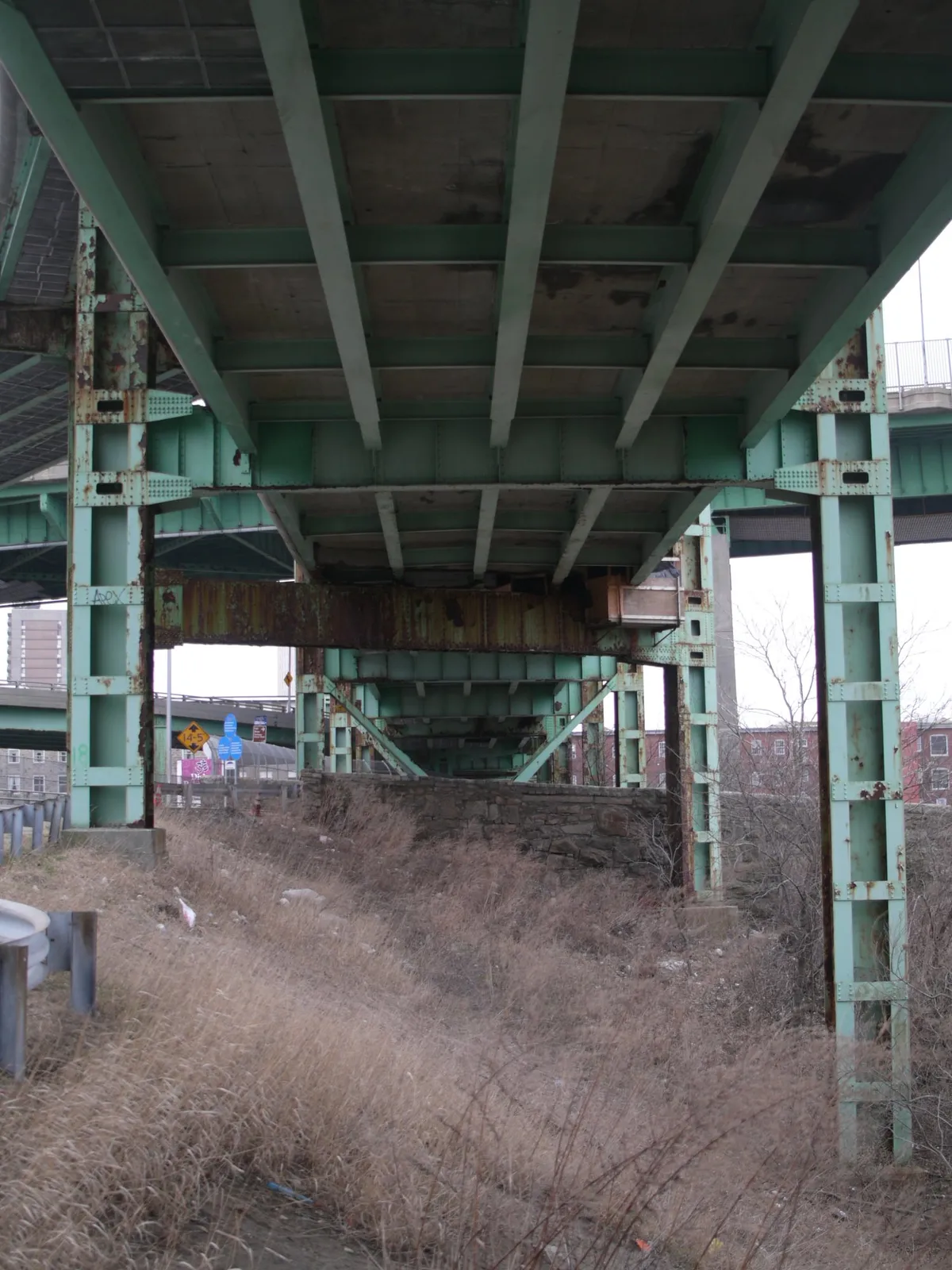
On July 23, 2026, the Boston Society of Civil Engineers Section released the inaugural Report Card for Massachusetts’ Infrastructure at the Massachusetts State House, and the verdict was blunt: an overall D+ grade, two steps below the national C grade. The grade arrives as the state’s bridge inventory is the oldest in the nation at 65 years average age, with MassDOT estimating approximately $1 billion annually over the next decade is needed to address aging bridges. That single category alone would strain any state’s capital budget, but it’s far from the only one struggling.
The transportation picture is broader than bridges. Roads are costing drivers an estimated $3.8 billion annually in additional vehicle operating costs, according to the report card’s own analysis. Massachusetts has received more than $11 billion through the Infrastructure Investment and Jobs Act as of 2025, federal money that has helped but clearly hasn’t closed the gap. The state’s infrastructure is aging across every mode, and the report makes plain that the gap between what’s been spent and what’s needed is measured in billions per year.
Water infrastructure fared no better. Massachusetts’ drinking water, wastewater and stormwater infrastructure each received D grades in the ASCE report. The state will need more than $15 billion in drinking water investments over the next 20 years, and wastewater infrastructure has an estimated $21.7 billion in funding needs identified by the EPA. These are not speculative projections; they are the cost of bringing systems built decades ago up to current standards, and the clock is ticking on aging pipes and treatment plants across the commonwealth.
The report’s release came with a clear call to action from BSCES President Richard A. Matson, who stated that “Massachusetts’ D+ grade should serve as a call to action that investment is needed now.” That investment, if it arrives, will have to come from a combination of state appropriations, continued federal support, and likely new local revenue sources. The $11 billion already drawn from the IIJA is a start, but the scale of the need — roughly $1 billion a year just for bridges, plus the water numbers — means sustained, predictable funding is the only way to move the grade.
What makes this report card notable is not just the low grade but the fact that it exists at all. Massachusetts had never produced a statewide infrastructure report card before, and the first one captures a full picture of systems that normally get budgeted in isolation. Bridges, roads, water, transit — each has its own funding stream and its own constituency, but the D+ is a single number that ties them together. The state now has a baseline, and the challenge is whether the next report card, whenever it comes, shows progress or another decade of deferred maintenance.
Sources
- Massachusetts’ Infrastructure in Poor Condition, Receives ‘D+’ Grade on ASCE Report Card — ASCE (American Society of Civil Engineers)
- Massachusetts’ Infrastructure Earns a D+: A Call to Build for the Future — Infrastructure Report Card (ASCE)
- Massachusetts water infrastructure earns D grades from ASCE — Underground Construction