The Tara Polar Station Begins Transit for Inaugural Arctic Drift Expedition
The Tara Polar Station has departed Lorient for a refuel in the Netherlands and is en route to Kirkenes, preparing to freeze into Arctic sea ice for an eight-month drift mission powered by renewable diesel.
The Tara Polar Station departed Lorient on July 19, 2026, and refueled at Dordrecht on July 23 before heading to Norway for an Arctic drift expedition scheduled to begin in mid-August, with Neste providing renewable diesel to power the mission. This routing through France and the Netherlands sets up the logistics chain for the polar campaign, transitioning the vessel toward Kirkenes where it will begin its operational phase.
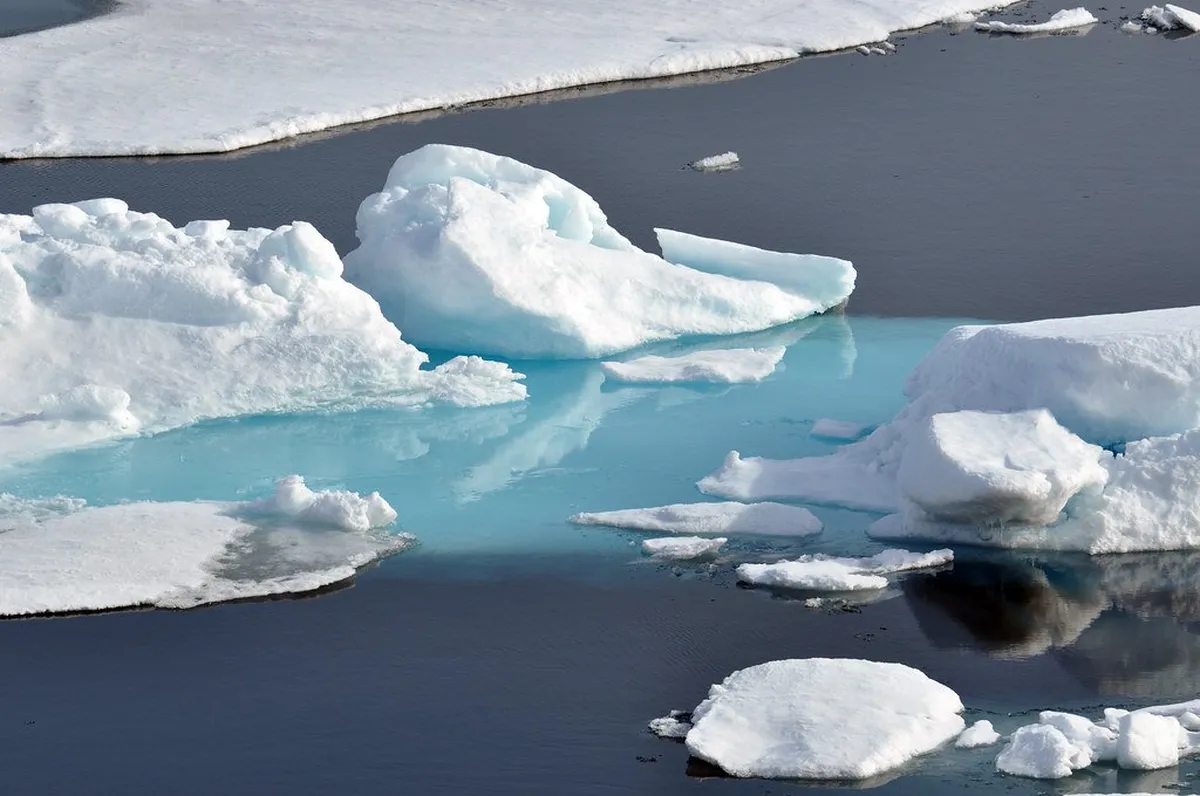
The Tara Polar Station is a 26-metre purpose-built drifting research platform that will depart from Kirkenes, freeze into the Arctic sea ice, and drift naturally across the polar basin toward Greenland for approximately eight months. By embedding in the pack ice and letting the currents carry the vessel, the platform functions as a passive observer rather than an active navigator, allowing it to collect environmental data without mechanical disruption of the ice system.
The expedition’s focus on natural drift distinguishes its methodology from traditional polar research vessels that rely on propulsion to maintain position or follow pre-set tracks. This approach enables continuous monitoring of changes within the Arctic basin as the platform moves with the flow, capturing data across a wide geographic span while remaining integrated with the frozen environment it is studying.
Renewable diesel supply ensures the transit phase is supported by lower-carbon fuel options before the vessel becomes inaccessible in the pack ice for its extended mission. With the departure confirmed and refueling complete, the Tara Polar Station is now following a trajectory that will take it from European ports into the high-latitude region over the coming weeks, preparing for an eight-month immersion that marks the inaugural use of this drifting research approach.
As the platform moves toward Kirkenes and eventually enters the sea ice, the mission represents one of the few remaining opportunities to study the Arctic through a drifting frame of reference. The combination of renewable power logistics and automated drift capabilities positions the expedition to operate with minimal interference as it carries researchers’ instruments across the polar basin toward Greenland.