Late Period and Greco-Roman Funerary Complex Found at Tell Quesna Necropolis
Egyptian archaeologists uncovered a funerary complex at Tell Quesna necropolis containing 560 faience ushabti figurines and imported pottery from Rhodes, dating to the Late and Greco-Roman periods.
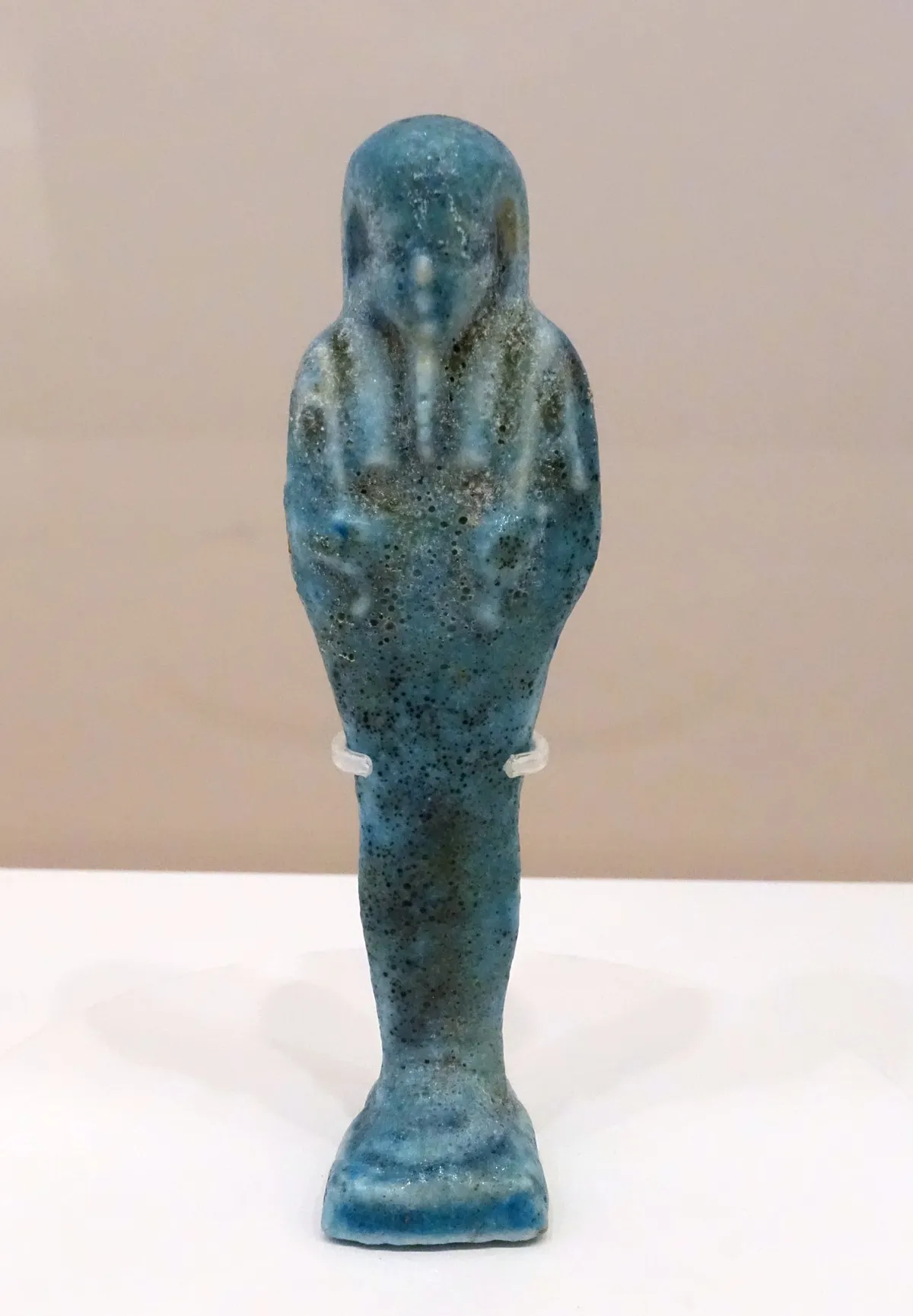

A newly documented funerary complex at the Tell Quesna necropolis in Egypt’s Nile Delta spans two distinct eras of burial practice. The Egyptian Ministry of Tourism and Antiquities announced discovery of a funerary complex at Tell Quesna necropolis dated to Late Period (712-332 BC) and Greco-Roman period (332 BC-AD 641), containing over 500 faience ushabti figurines, semiprecious stone amulets, and imported pottery from Rhodes, in a July 27 notice citing Ahram Online.
The faience ushabti figurines were a central part of that assemblage, sitting alongside semiprecious stone amulets and ceramic imports from the Greek island of Rhodes. Such figurines form a well-known element of Egyptian funerary tradition, and their presence in such numbers marks the Tell Quesna finds as exceptional.
An earlier July 22 report had already described the same site in closely matching terms, stating that Egyptian archaeologists uncovered new tombs at Tell Quesna necropolis in Nile Delta containing 560 faience ushabti figurines, amulets, and imported pottery from Rhodes, dating to Late and Greco-Roman periods. The slight difference between 560 counted figurines and the later over 500 framing reflects the ordinary gap between a first field account and a ministry confirmation rather than any disagreement on the ground.
The chronological range supplied by the ministry gives the discovery its deeper context. The Late Period designation covers 712 to 332 BC, while the Greco-Roman layer extends from 332 BC to AD 641, a span that accommodates both indigenous burial customs and the arrival of imported Aegean goods in the necropolis.
The Rhodian pottery is the most outward-looking signal in the haul. Its presence at a Delta burial site records a material link between Egyptian funerary ritual and Mediterranean trade networks active during the later first millennium BC and the early first millennium AD.
Taken together, the two announcements outline a single necropolis sector that produced a substantial counted set of faience figurines, stone amulets, and Greek-island ceramics, with the later ministry statement confirming the complex’s formal dating and the earlier report supplying the precise tally of 560 ushabti figurines. The finds add a well-recorded chapter to the excavation history of Tell Quesna.