After 54 Years, Passenger Trains Return to Drury and Paerātā
Two new stations, part of a $2.4 billion government investment, restore rail service to South Auckland for the first time since 1972.
.jpg)
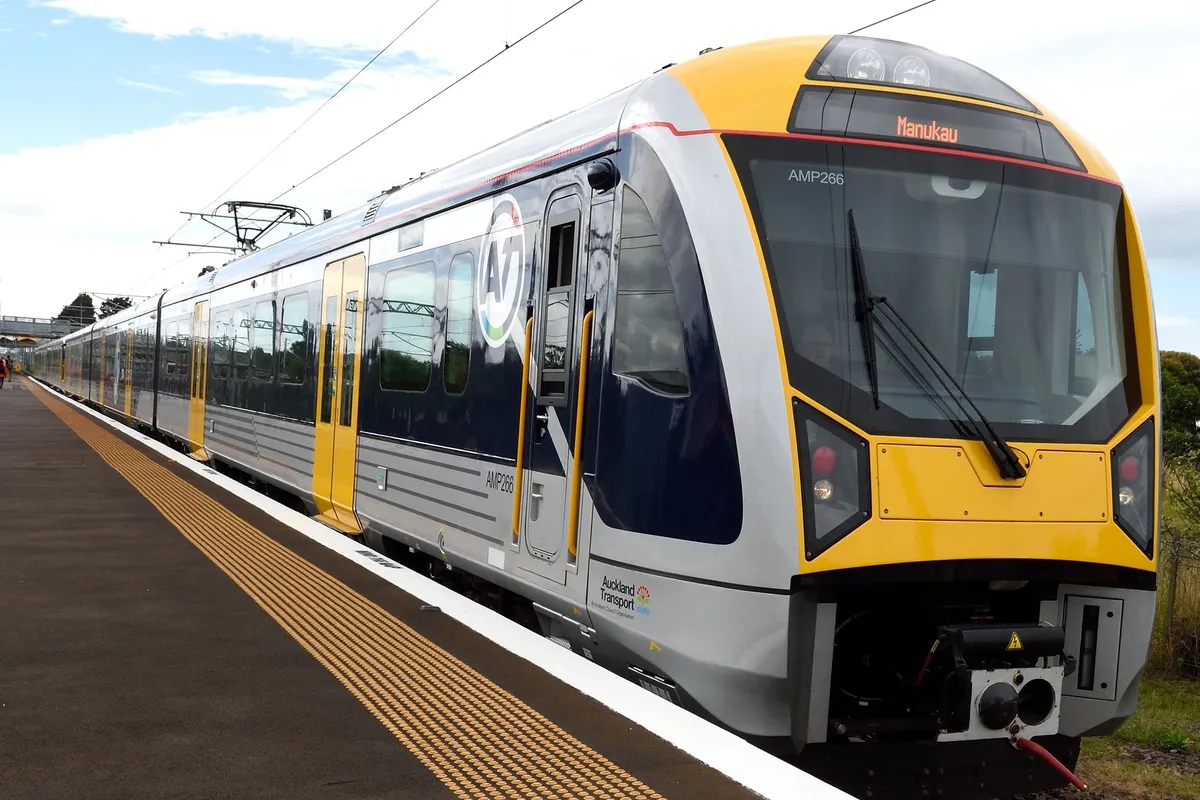
On August 1, Rail Minister Winston Peters and Transport Minister Chris Bishop formally opened the new Drury station and Paerātā railway station, with passenger services beginning the following day. The stations restore passenger rail to the area for the first time since 1972, a gap of more than half a century.
Each station features two platforms, 350 car parks and bus connections, and weekday peak services will run every 10 minutes. The two stations are among the final elements of a $2.4 billion Government investment in Auckland’s rail network, which includes the completion of the Auckland Rail Network Rebuild, the replacement of level crossings, the opening of the Third Main Line, and the electrification of the rail line to Pukekohe.
The rebuild is the foundation for the City Rail Link, which is due to open soon, and the electrification means the southern line can now operate entirely with electric trains. The two stations are more than just local stops; they close a gap in the network that has been open since the original stations were closed in the early 1970s.
The return of a 10-minute peak frequency to Drury and Paerātā is a tangible outcome of the government’s push to shift growth in the south onto rail. The stations are designed to serve existing communities and the new housing developments that have been built in the area over the decades, and the bus connections and car parks are meant to pull in commuters from a wide catchment.
For a region that last saw passenger trains stop here when Richard Nixon was in the White House and New Zealand was still using pounds, shillings and pence, the opening is a quiet landmark. The 1972 closure was part of a broader retreat from rural rail, a decision that left the area without a direct rail link for 54 years. The reversal, now complete, is a measure of how much the priorities have shifted.