Bonn's Aging Tram Fleet Grounded by Hidden Fatigue Risk, Prompting Mass Withdrawal and Borrowed Vehicles
Bonn's SWB Bus und Bahn withdrew 60 of 75 Stadtbahn light rail vehicles after routine inspections discovered a premature material fatigue risk in axles of the fleet built between the 1970s and 1990s. Cologne's KVB lent 20 trams while engineers conduct ultrasonic testing, with the first vehicles not expected back until mid-August.
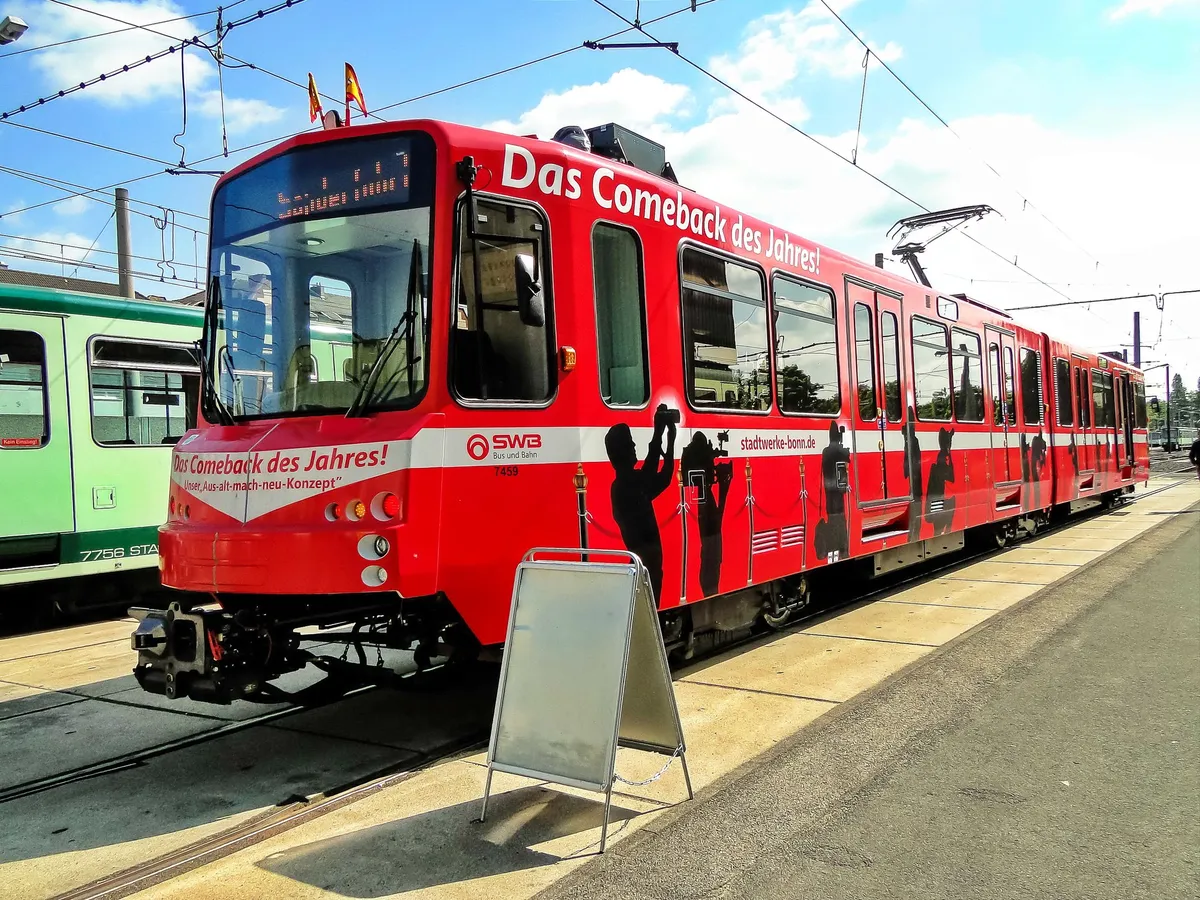

Routine inspections on July 20, 2026, forced Bonn’s transit operator, SWB Bus und Bahn, to make a drastic operational decision: withdrawing 60 of its 75 Stadtbahn light rail vehicles from service. The cause was the discovery of a premature material fatigue risk in the axles of the aging fleet, which a press release from the City of Bonn confirmed led to the mass retirement.
The affected trams, built between the 1970s and 1990s, are now subject to a detailed engineering evaluation. According to Railway Gazette International’s report, engineers are conducting ultrasonic testing of all axles to detect potential cracks. This level of inspection is necessary given the hidden nature of the fatigue risk, but it means the first vehicles are not expected to return to service until mid-August at the earliest.
To stem the immediate crisis in the city’s public transport network, neighboring Cologne provided critical support. KVB, Cologne’s transit authority, lent 20 trams, an act of regional collaboration that SWB Managing Director Anja Wenmakers highlighted as essential for maintaining service levels during the shortage.
The incident underscores the long-term consequences of operating an aging fleet. While the immediate problem is a specific fatigue risk, the sheer scale of the withdrawal points to broader systemic wear. The solution, as detailed in the IndexBox coverage of the event, is already on order: SWB has expanded its contract with Spanish manufacturer CAF to 32 new light rail cars. The first pre-production unit is scheduled for arrival in January 2027, marking the start of a fleet replacement that will take years.
For Bonn’s commuters, the coming weeks will test the resilience of a system running on a fraction of its usual vehicle stock, bolstered by borrowed trams from a neighboring city. The mid-August target for returning the first inspected vehicles is an optimistic projection, dependent entirely on what the ultrasonic testing reveals. This episode serves as a stark, operational lesson in the costs of infrastructure deferred, where a single point of failure discovered in an axle can cascade into a city-wide transit emergency.