Chiltern becomes the sixth operator to come back into public ownership
Chiltern Railways has transferred into public ownership under Great British Railways, with more weekday services promised — but how operators are being counted varies between the DfT and the BBC.
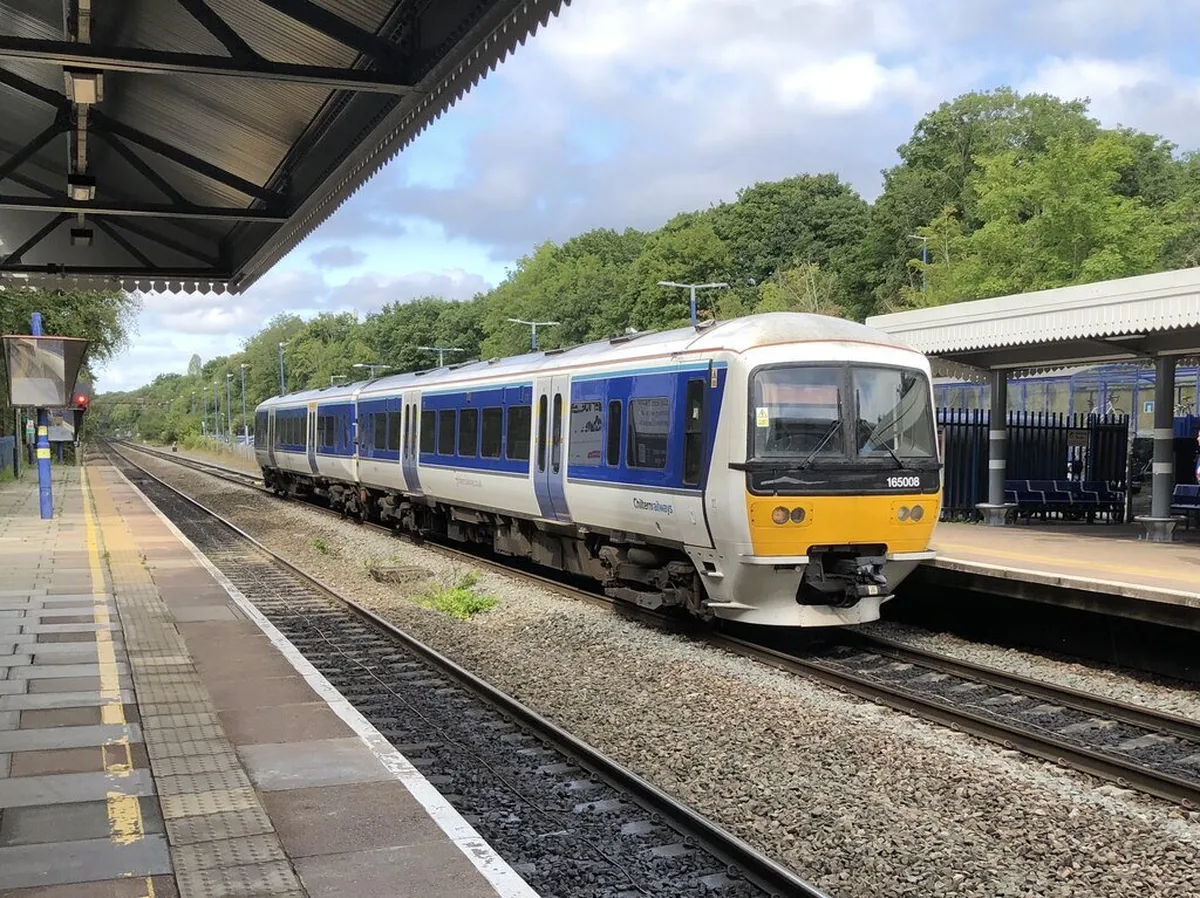

Chiltern Railways went into public ownership on Sunday, becoming the sixth operator to transfer under the government’s Great British Railways programme. The Department for Transport’s announcement framed the move as a milestone in Labour’s renationalisation programme, with four more operators set to follow by the end of 2027. Chiltern, which has run as a private franchise since 1996, becomes the tenth rail company now sitting under the GBR banner, depending on how you count.
The contradiction is worth pausing on, because it is genuinely revealing. The government’s own press release says sixth, and The Guardian’s reporting on 20 September repeats that figure: Chiltern as the sixth operator to be nationalised under Labour’s programme, with four more to follow by the end of 2027. The BBC’s same-day coverage, by contrast, describes Chiltern as the tenth rail company now under GBR. Both numbers can be true if the government’s count refers to operators that have transferred through the formal renationalisation process and the BBC’s count includes franchises already absorbed into the public sector under earlier arrangements — but neither outlet spells that distinction out, and the gap between sixth and tenth is large enough that one of them is almost certainly doing the counting differently from how a casual reader would.
What the new operator is actually getting, beyond a ministerial press conference, is a more concrete package. The DfT promises 25 extra weekday services — roughly 10,000 extra seats — once the transition is complete, along with six new Chiltern Explorer trains due in service from December 2026. The existing Class 168 fleet is being put through a £12 million refurbishment, and passengers caught by cancellations will be able to use other operators’ services without charge. Great Western Railway is the next operator scheduled to transfer, on 13 December 2026, which would extend the programme further into the long-distance intercity market.
None of this is happening without friction. The RMT union was protesting outside Marylebone on the day of the transfer, focused on the driver-only operation plans for East West Rail rather than on Chiltern’s existing services — but the dispute is the kind of thing that shapes what “public ownership” actually means in practice, and both the Guardian and BBC coverage flags it as the live industrial tension around the rollout. Whether a state-run railway looks like better weekend timetables and refurbished carriages, or like a re-litigated battle over who drives the trains, depends on which part of the transition you are standing closest to.
For now, what is verifiable is that Chiltern’s clock has been reset: a franchise first sold off thirty years ago is, from this Sunday, operated as a public asset again, with a small but tangible uplift in capacity promised by the end of the year. The next twelve months will tell whether the programme as a whole can keep that pace, with Great Western Railway in December and three further transfers in 2027 all lined up behind Chiltern in the queue.