Germany Finally Bids Roads Goodbye. The €169 Billion Rail Pivot Starts Now.
Germany’s Bundestag passed a landmark Infrastructure Future Act redirecting €169 billion toward transport, establishing rail as the country's top priority for the first time while overhauling approval procedures.
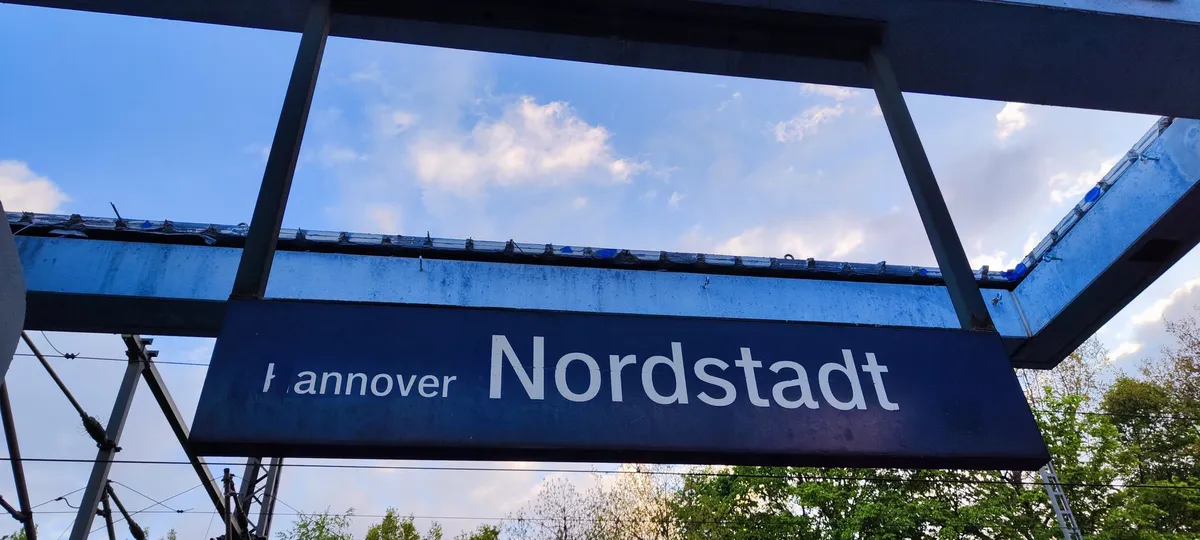

Germany’s transport policy has executed a deliberate pivot, enacting a record €169 billion investment programme that for the first time places rail development above road infrastructure as its absolute top priority. The Bundestag passed the Infrastructure Future Act (Infrastruktur-Zukunftsgesetz) on June 26 with the combined votes of the CDU/CSU and SPD formalizing a strategic reallocation designed to fast-track capital deployment across the country’s aging network. By legally defining major infrastructure upgrades as a matter of overwhelming public interest, the legislation overrides municipal obstructionism that has historically stalled civil works for years, while simultaneously mandating “digital only” planning and approval procedures to eliminate administrative latency.
The legislative machinery required to execute this shift was finalized when the law was certified on July 22 and registered under the BMV’s oversight before appearing in the Federal Minister of Justice’s ledger on July 28. This tight certification-to-publication window reflects a government intent to compress the gap between statutory authorization and ground-level execution. The BMV’s central coordination mandate shifts the administrative burden away from regional silos, forcing procedural standardization across all levels of government so that funding approval chains can actually match the pace of contracted construction starts.
The financial architecture behind this pivot operates on a scale that dwarfs previous stimulus measures. Across the four-year investment window from 2027 to 2030, €84 billion will be directed toward rail while €44 billion covers roads marking a historic reversal where track infrastructure and rolling stock become the country’s top transport priority. Before that core window opens, €21.9 billion will flow through the SVIK €500B fund in 2026, with DB InfraGO required to deploy over €23 billion across roughly 28,000 projects that same year alone. This immediate liquidity injection ensures no contractor faces a dry spell while waiting for the primary tranches to disburse.
Digital interoperability gets its own dedicated allocation to guarantee the new hardware won’t just run faster, but communicate seamlessly. The government has earmarked €2.45 billion specifically for ETCS digitalisation, clearing the path toward a standardized European Train Control System that eliminates border signaling friction and outdated communication handshakes between state railways. For a nation whose Rail transport in Germany network relies on high-frequency regional connections and heavy-haul freight corridors demanding flawless track geometry and synchronized scheduling, this procedural and technological speedup is as critical as the capital itself.
When a network of this density finally synchronizes its physical upgrades with its control systems, the result is a fundamental restructuring of national mobility logistics rather than a simple maintenance budget increase. The act’s combination of overwhelming public interest status, digital-only approvals, and multi-year funding guarantees removes three decades of typical German bureaucratic decay from the critical path. What remains after the June 26 passage and July certification is not just a subsidy regime, but a legally enforced acceleration protocol designed to rewrite how the country physically moves people and freight.
Sources
Editor's Notes
Clickbaity headline, though the article seems ok