Hungary Unveils €10bn Railway Modernisation Plan
A €9.76 billion rail modernisation package runs through 2035, blending EU grants, fleet renewal, and battery-electric traction to fix decades of deferred maintenance.
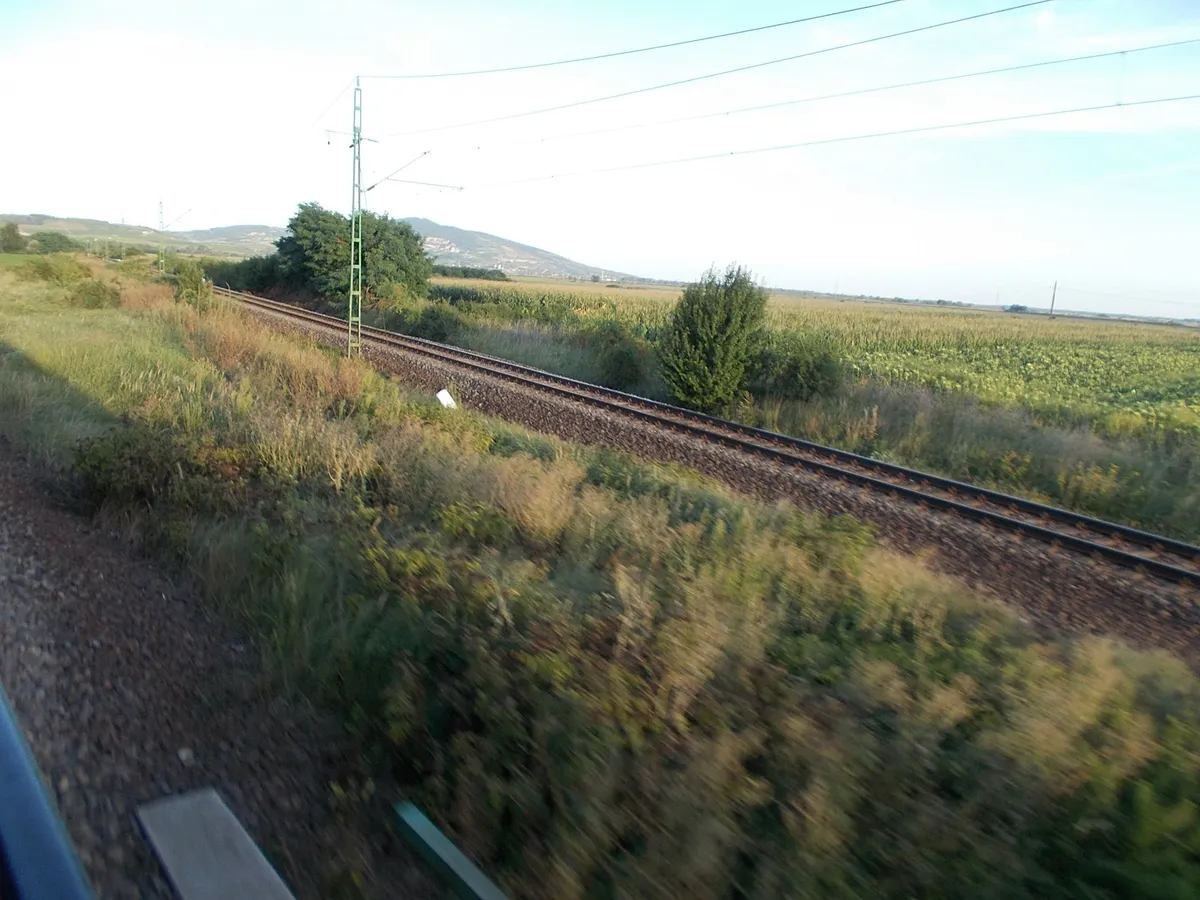

Hungary has officially kicked off what it calls its largest-ever infrastructure push, announcing a €9.76 billion in total commitments stretching through 2035 for rail investment. On July 22, Prime Minister Péter Magyar and Transport Minister Dávid Vitézy unveiled the Baross Gábor Railway Development Plan at Rákospalota-Újpest station in Budapest, laying out a ten-year roadmap to overhaul rail transport across the country. The announcement marks a decisive step toward replacing decades of deferred maintenance with a coordinated fleet renewal and corridor upgrade strategy.
The urgency behind the package is measurable. Almost half of the network’s current rolling stock lacks air conditioning, and roughly forty percent of all lines suffer from permanent speed restrictions that keep travel times sluggish. Revised operational targets now call for an average station-to-station speed of exactly 100 km per hour on main corridors, driving a procurement list of thirty-five new InterCity electric multiple units and forty-two HÉV suburban trainsets to bring the national fleet’s average age well below its current forty-three-year mark. Upgrades will cascade through three priority arteries—the Hatvan–Miskolc corridor, the Nagykáta–Újszász line, and the Szeged region—while groundwork simultaneously advances for a direct Budapest Airport rail link.
Funding the blueprint requires stitching together multiple European mechanisms rather than relying on a single national treasury allocation. The Hungarian government plans to draw HUF 1,100 billion from EU Cohesion Funds, another HUF 950 billion from the 2028-2034 EU budget cycle, plus HUF 700 billion from Norway’s Recovery and Resilience Facility and NRRF/NextGenEU grants. An additional HUF 800 billion will cover an EIB loan and private concession agreements to fill the remaining gaps. This layered financing architecture ties the national overhaul directly into the bloc’s Trans-European Transport Network policy, reflecting a revised recovery plan that EU institutions endorsed in June and formally approved by member states in July.
A significant portion of the capital will bypass traditional infrastructure spending entirely, focusing instead on technological diversification. Alongside extending Budapest’s metro Line M3 to catch suburban overflow, the government is scaling a tram-train proof of concept across at least two additional corridors and betting heavily on battery-electric traction for non-electrified secondary routes. Rather than waiting for decade-long catenary installation windows, Hungarian rail operators are moving to €95 billion earmarked specifically for battery traction and its supporting charging infrastructure, effectively skipping the most capital-intensive phase of regional electrification.
The Baross Gábor plan does not promise instant transformation; it lays the financial and technical groundwork for a decade of rolling updates across tracks, signals, and depot facilities. By front-loading fleet renewal while structuring corridor upgrades around proven EU financing mechanisms, Budapest has chosen a path that prioritizes incremental reliability over headline-grabbing megaprojects. Whether the system can actually sustain its hundred-kilometres-per-hour target will depend on keeping procurement timelines tight and coordinating construction windows across three major regions simultaneously. The blueprint is drawn, and the funding rails are finally set in place.
Sources
- “Tram-trains, battery traction and metro extensions in €10bn Hungarian rail investment plan” (by Benjámin Zelki, July 23 2026) — Railway Gazette International
- “Hungary unveils EUR 10 billion railway modernisation: New trains, airport rail link and faster journeys promised!” (Published July 22, 2026; updated July 23, 2026) — Daily News Hungary
- “Hungary unveils €10bn rail plan with tram-trains and battery trains” (by Oliver Lukas, July 23, 2026) — The Traveler