Commodore C64C Ultimate Enters Production Using Rediscovered 1986 Injection Molds
A new C64C hardware run is officially entering production using originally recovered 1986 injection molds, bringing decades-old manufacturing tolerances back to a modern factory floor.
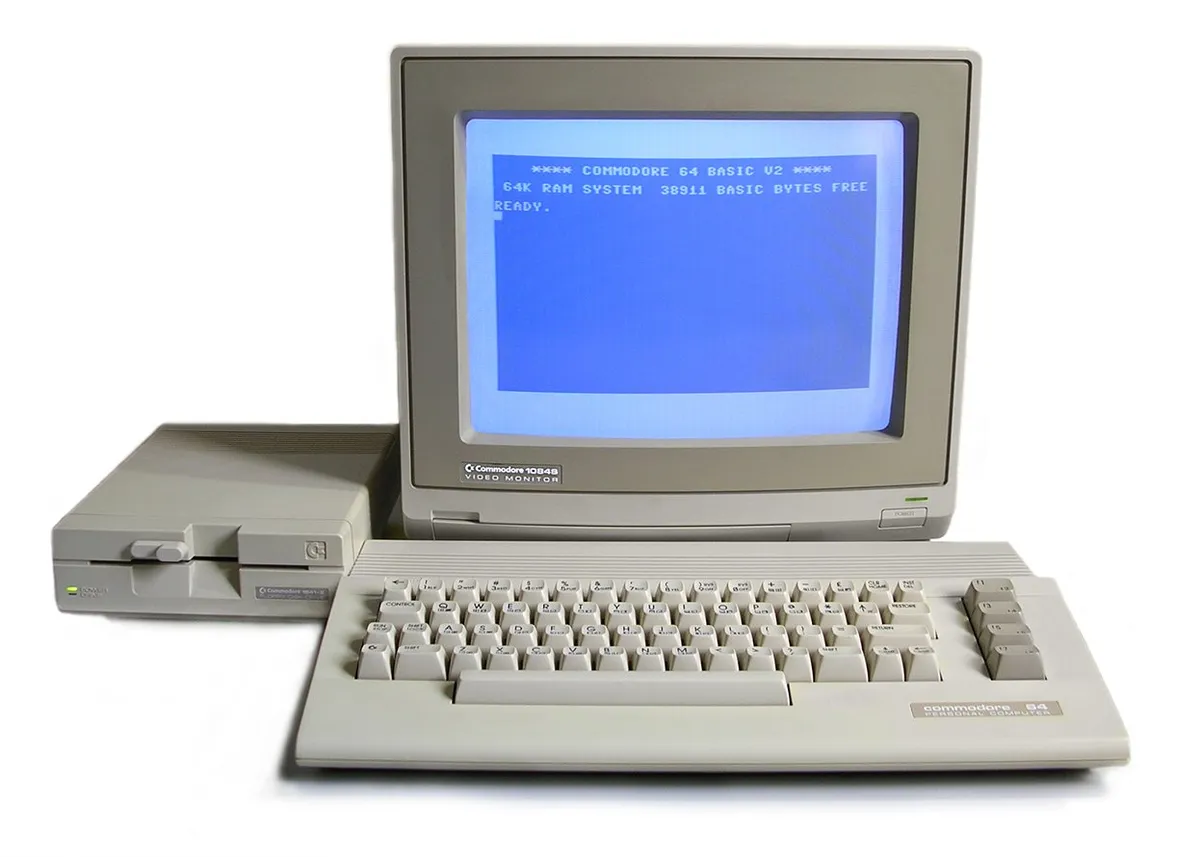

A piece of industrial hardware that has defined generations of home computing is returning to the floor in something close to its original physical form. For decades, recreations of classic personal computers have relied on modern ABS or recycled housings that approximate the look of vintage machines without handling their material history. This year, Commodore bypassed those compromises entirely by committing the production of the new C64C Ultimate to legacy tooling instead of modern approximations.
Commodore officially tracked down and reacquired the original injection molds used for the 1986 C64C housing after a journey that passed through Japan, Commodore’s Pennsylvania and Dallas factories, an auction in 2014, survived a factory fire, and ended up at Individual Computers before being bought back. Each transfer required careful handling to keep the heavy steel from corroding or warping beyond usable tolerances, which is why seeing them back on the production line carries more mechanical weight than it does purely sentimental value.
Seeing the tooling back in operation shifted the project from archival curiosity to active manufacturing. A factory tour conducted by CEO Peri revealed plastic being actively injection-molded into the forty-year-old dies, demonstrating that the exact geometries used during the machine’s final commercial run are still shaping the physical shells for this new batch. More importantly, the process is reproducing the authentic two-point flow marks that collectors associate with the original hardware – material patterns and defects that modern digital scanning simply cannot emulate. Those marks are usually treated as cosmetic artifacts in retro tech circles, but on a production floor they represent the only way to guarantee that every new unit matches the exact injection parameters, gate placements, and cooling rates of the initial run.
The commercial rollout for this manufacturing approach reflects both the rarity of sourcing original tooling and the realities of modern hardware pricing. Three editions of the system will be offered at $299.99 to $499.99, with shipping expected in late 2026 to accommodate the logistics of running vintage dies alongside contemporary motherboards and components. That timeline is notably long given that the announcement just broke; manufacturing on rediscovered industrial tooling usually involves recalibrating temperature controls, lubricants, and ejection systems for machines built in an entirely different era of automation. The extended wait isn’t a marketing delay so much as a practical necessity for getting forty-year-old mechanical tolerances to behave consistently across hundreds of new shells.
What makes this run worth the effort goes beyond nostalgia or replica accuracy. When engineers work with original injection molds, they are forced to accept the material constraints of 1980s plastics – the exact viscosity, thermal expansion rates, and shrinkage factors that shaped the C64C’s chassis decades ago. Modern polymers would let a factory push through defects faster, but they would also leave behind a different tactile profile on every unit. Running the rediscovered dies keeps the physical object exactly aligned with its historical engineering specifications, which ultimately matters for anyone who treats these machines as functional artifacts rather than digital emulation boxes. If the late 2026 shipments hold up to that standard, it won’t just be a new product launch; it will be a rare moment where legacy tooling successfully dictates production parameters in a manufacturing environment built for speed and cost efficiency.