Kingston University Launches Retro Computing Archive and Permanent Showcase
Kingston University is opening a free 'Archive of Retro Computing' exhibition running August 5–11 with more than 60 machine from the 1970s onward, and immediately following it will open a permanent retro computing showcase in room SB3033 of the Sopwith Building on its Penrhyn Road campus.
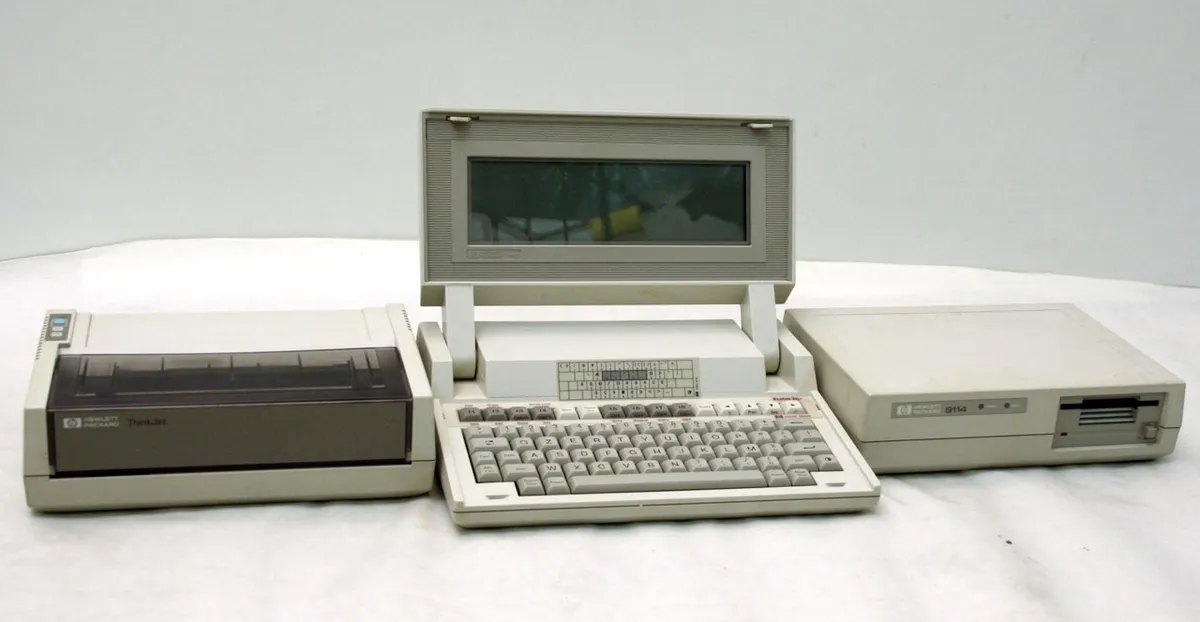

Kingston University will host a free ‘Archive of Retro Computing’ (ARC) exhibition at its Town House building from August 5 to August 11, 2026 the temporary installation presents more than 60 playable machines spanning the 1970s through today and culminates in the launch of a permanent retro computing showcase in room SB3033 of the Sopwith Building on the Penrhyn Road campus. By opening its collections before transitioning to a fixed location, the university is treating retro computing as a living archive where software execution and user interaction remain central to how hardware is preserved and interpreted.
The exhibition’s hardware survey covers distinct generations of interactive technology, with playable units ranging from early microcomputers like the Fairchild Channel F to widely recognized systems such as the Commodore 64, Sinclair Spectrum, Sega Megadrive, Nintendo 64, and Atari 2600+. The showcase is organized by ARC@Ku under Computer Science BSc course leader Paul Neve, a structure that anchors the event within Kingston’s formal academic programming rather than presenting it solely as a standalone public display.
This integration with Computer Science curriculum highlights how institutions are now managing the transition of vintage computing from historical curiosity to technical subject matter. The inclusion of both programmable home computers and dedicated gaming consoles allows for a comparison of parallel developments in user interface design and software architecture, offering visitors a direct view of how different engineering approaches converged on similar interactive goals across decades.
The announcement of the permanent showcase in SB3033 signals a commitment to maintaining this operational history beyond the August event window. Establishing a dedicated room within the Sopwith Building ensures that the collection’s machines will be housed and powered within an academic context, providing students and researchers with stable access to interactive artifacts rather than relying on temporary exhibition cycles to keep the technology functional.
Kingston University’s decision to launch a permanent facility ahead of its first public installation underscores the practical value of preserving software ecosystems alongside their hardware hosts. With the Sopwith Showcase now set to become a permanent fixture, the university is creating a sustained resource that documents the evolution of computing culture through machines that can still be used, ensuring the Archive of Retro Computing remains an active part of the campus rather than a static museum collection.