Global Humanitarian Aid System Facing Collapse Amid Funding Cuts
Record funding shortfalls in 2025 led to 64 million fewer people receiving critical humanitarian assistance worldwide.
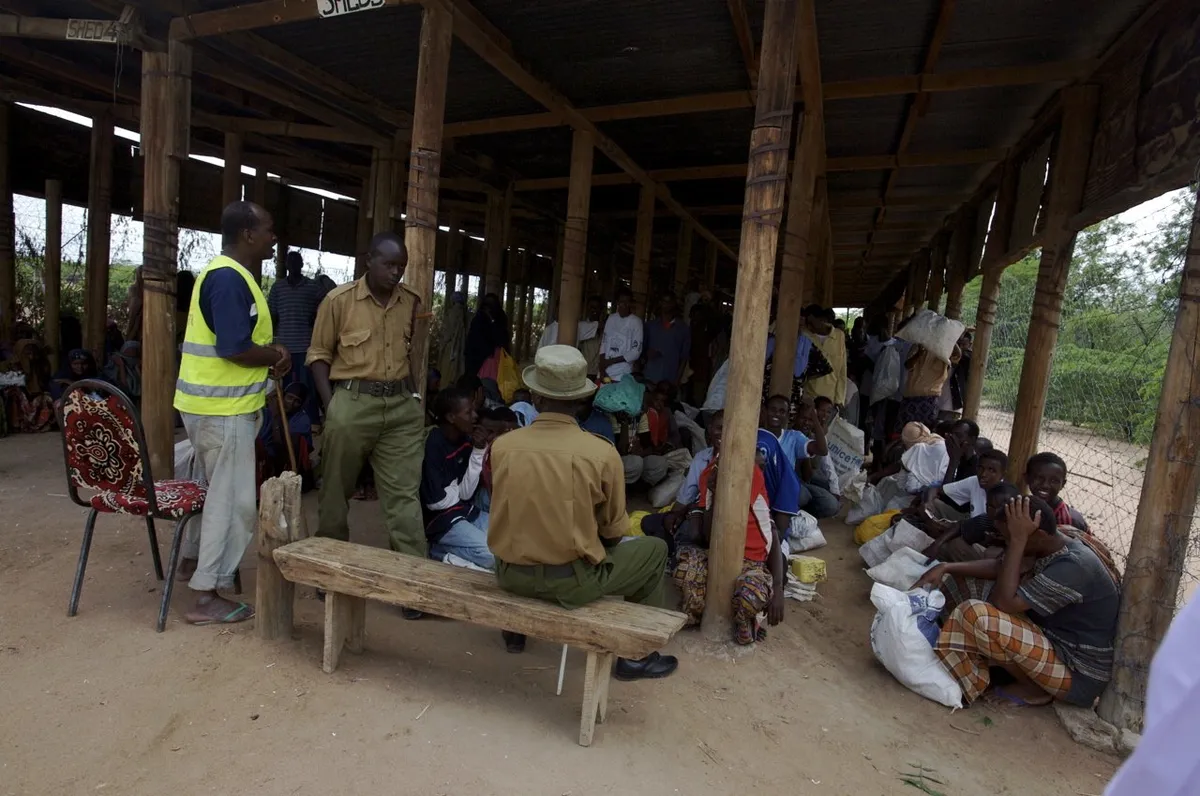
.jpg)
The global humanitarian aid system is facing an unprecedented crisis, with funding cuts in 2025 leaving tens of millions fewer people able to receive essential assistance. A significant 30% drop in global aid contributions between 2022 and 2025, from $47.5 billion to $33.3 billion, has created a shortfall that is leaving the most vulnerable populations without support. The State of the Humanitarian System 2026 report highlights that women, children, the elderly, and displaced individuals are disproportionately affected.
This dramatic reduction in aid is not just impacting the number of people reached; it’s also affecting the capacity of aid organizations. The report estimates that up to 23% of humanitarian staffing was lost in 2025 due to the funding crisis. This loss of personnel further exacerbates the challenges in delivering aid to those in desperate need.
The consequences of these funding cuts are already being felt acutely in regions facing complex emergencies. In Sudan, UN aid agencies have issued dire warnings that the entire humanitarian system could collapse within weeks. Shelter, sanitation, and emergency household relief items are projected to run out by the end of September without immediate additional funding, according to the IOM.
Compounding the crisis in Sudan, warehouses face closure without further financial support by December. The World Food Programme (WFP) is operating with only about one-third of the funding needed in the country, severely limiting its ability to provide food assistance to millions facing acute hunger.
The State of the Humanitarian System 2026 report underscores the severity of the situation, detailing how 64 million fewer people received humanitarian aid in 2025 as global aid contributions fell by 30% between 2022 and 2025. This decline has pushed the number of people receiving assistance to its lowest point in years.
The report also points to a significant loss in humanitarian staffing, with up to 23% of humanitarian staffing estimated to have been lost in 2025. This reduction in personnel directly impacts the operational capacity of organizations on the ground, making it harder to respond to escalating needs.
In Sudan, the situation is particularly dire, with UN aid agencies warning on September 14, 2026 that the entire humanitarian system in Sudan could collapse within weeks due to funding shortfalls. The IOM specifically warned that shelter, sanitation and emergency household relief items will run out by end of September, while warehouses will close without additional funding by December.
The WFP is only about one-third funded in Sudan, illustrating the immense gap between the needs on the ground and the available resources. This funding crisis threatens to undo years of progress in delivering life-saving assistance and essential support to populations affected by conflict, climate change, and other crises worldwide. Understanding the complexities of humanitarian aid is crucial as the international community grapples with this escalating challenge.