Migrant Sea Arrivals to Europe Fall Sharply in 2026, While Fatalities Increase
IOM reports a 39% decrease in sea arrivals to Europe in 2026, alongside a rise in deaths and missing persons across Mediterranean and Atlantic routes.
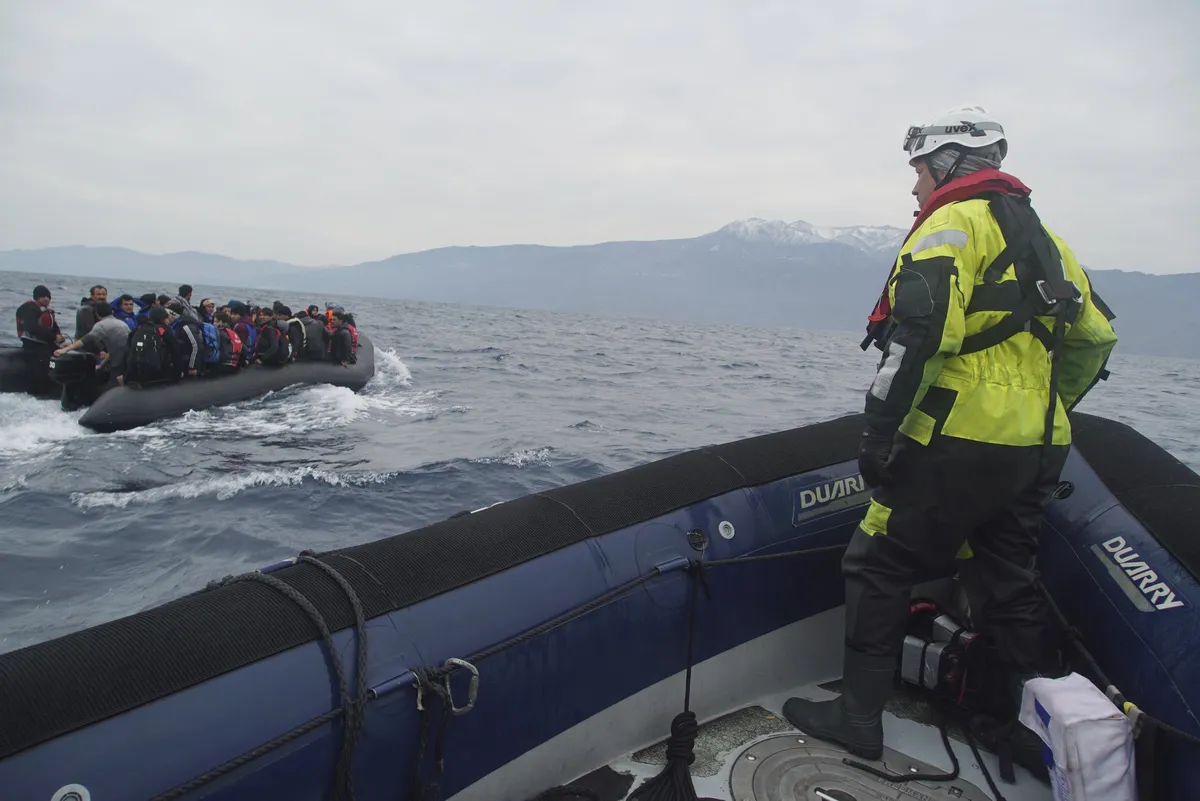
The journey to Europe by sea has become significantly more perilous in 2026, as recorded by the International Organization for Migration (IOM). Despite a substantial decrease in the number of arrivals, the rate of fatalities and disappearances along these routes has seen a marked increase.
Approximately 60,000 migrants and refugees have reached Europe by boat so far in 2026. This figure represents a 39% drop compared to the roughly 98,000 individuals who made the same journey during the same period last year, according to data compiled by Al Jazeera citing the IOM. The United Nations Regional Information Centre for Western Europe also reported the same figures, noting that 98,040 arrivals were recorded in the comparable period of the previous year new IOM data showing a 39% fall.
Concurrently, the number of lives lost or individuals gone missing during these crossings has risen alarmingly. At least 2,292 people have died or disappeared attempting to reach Europe by sea in 2026. This stands in stark contrast to the 1,999 individuals who met a similar fate during the same timeframe in the previous year as reported by Al Jazeera.
The United Nations also confirmed this grim statistic, stating that the number of deaths or missing persons has risen from 1,999 to at least 2,292 for the equivalent period in 2025 according to their report.
This trend suggests that while fewer people are attempting the journey, the risks associated with crossing the Mediterranean and Atlantic Seas have become increasingly severe. Factors contributing to this heightened danger are not detailed in the IOM report but often include factors such as the use of unseaworthy vessels, adverse weather conditions, and the involvement of smuggling networks that prioritize profit over safety.
The dangers inherent in these routes are particularly acute for those attempting the Mediterranean Sea migrant smuggling crossings, which have historically been one of the most dangerous pathways for migrants seeking refuge or a better life in Europe.
The disparity between declining arrivals and increasing fatalities points to a critical situation for those undertaking these perilous voyages, underscoring the urgent need for safe and legal pathways for migration.