The PROMISE Act Forces Congress to Confront Social Security’s 2032 Deadline
A bipartisan group of eight senators introduced the PROMISE Act on July 14, directing the Social Security Advisory Board to draft a 50-year solvency plan and forcing congressional action before the trust fund faces projected insolvency in 2032.
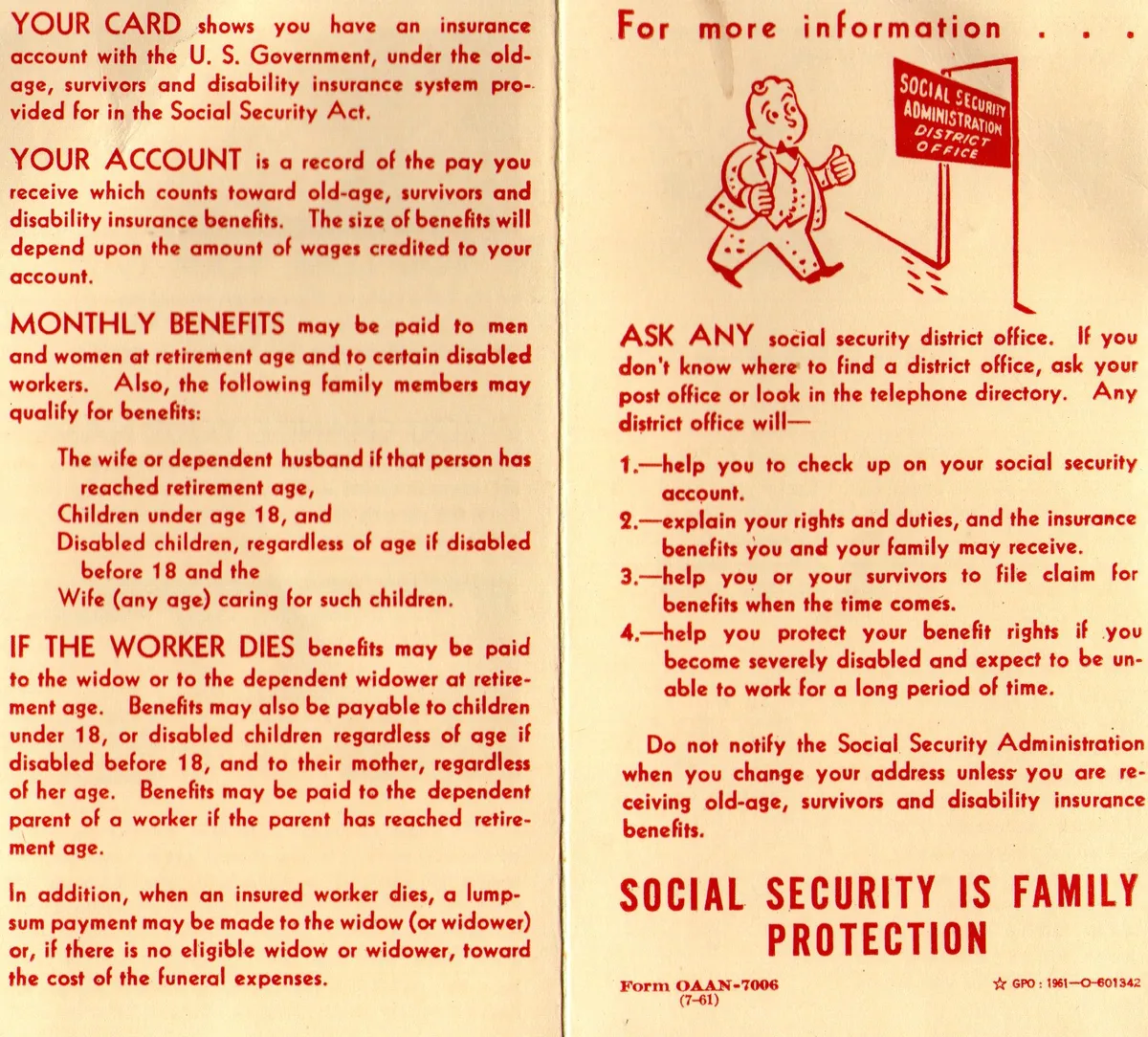

On Tuesday, July 14, a bipartisan coalition of eight senators introduced the PROMISE Act, a legislative maneuver designed to bypass the usual partisan deadlock over retirement policy without forcing any single lawmaker to take an immediate position on tax or benefit levels. The bill does not propose a specific set of revenue-raising measures or actuarial adjustments. Instead, it establishes a procedural requirement that forces Congress to confront Social Security’s aging trust fund on a binding timeline.
According to last month’s trustees’ report, Social Security’s retirement trust fund is projected to face insolvency by 2032, meaning automatic across-the-board benefit cuts of approximately twenty-two percent would activate unless legislators intervene before that point. The PROMISE Act treats that calendar date as a structural trigger rather than a distant financial footnote.
The legislation operates through a deliberate mechanism: it directs the Social Security Advisory Board to draft a comprehensive solvency plan covering at least fifty years, a timeline that forces long-term demographic and fiscal realities into statutory language before the 2032 deadline arrives. That draft would then have to clear a three-fifths Senate vote and a simple majority in the House. Stripping immediate policy changes from the text allows the authors to sidestep the committee bottlenecks that typically stall retirement reform, shifting the burden of compromise onto a formally convened advisory panel.
The political calculus here is familiar but structurally distinct from traditional solvency bills. By framing the PROMISE Act as an advisory mandate rather than direct legislation, Durbin, Kaine, King, Cassidy, Cornyn, Tillis, Coons, and Armstrong ensure that any eventual benefit or tax adjustments must be negotiated after a formal multi-decade analysis has been completed. Whether that drafting process produces workable policy or simply generates another congressional report depends largely on who holds the gavel when the board’s findings are brought to the floor and how many members of Congress are willing to tie their voting records to a fifty-year projection.
The PROMISE Act does not resolve the underlying mathematics of an aging population and a shrinking worker-to-beneficiary ratio. It only ensures that federal lawmakers cannot defer the accounting until automatic reductions have already begun lowering retirement income for millions of recipients. Whether its procedural trigger survives conference committee negotiations or serves as a baseline for deeper bargaining remains to be seen, but twenty-two percent across-the-board cuts are no longer a distant theoretical scenario — they are now a statutory deadline.
Sources
AI Editor Notes
The feature image’s credit name originally read “Unknown authorUnknown author” – Wikimedia Commons’ Artist field for this anonymous work contains a hidden duplicate span for screen-reader purposes, and the pipeline’s HTML-stripping logic kept both copies of the text. Corrected to “Unknown author” and fixed the underlying bug so future posts aren’t affected.
QC pass: both sources (CBS News, ABC News) were each inline-linked twice; removed the second link to each and kept the first.
– Claude Sonnet 5