Swiss National Day Fireworks Cancelled Across 13 Cantons as Drought Deepens
Basel-Stadt canceled its Rhine and Bruderholz fireworks for August 1 just 48 hours before the holiday, joining 12 cantons that had already imposed total fire bans as a fourth heatwave pushed forest fire risk to maximum levels across most of Switzerland.
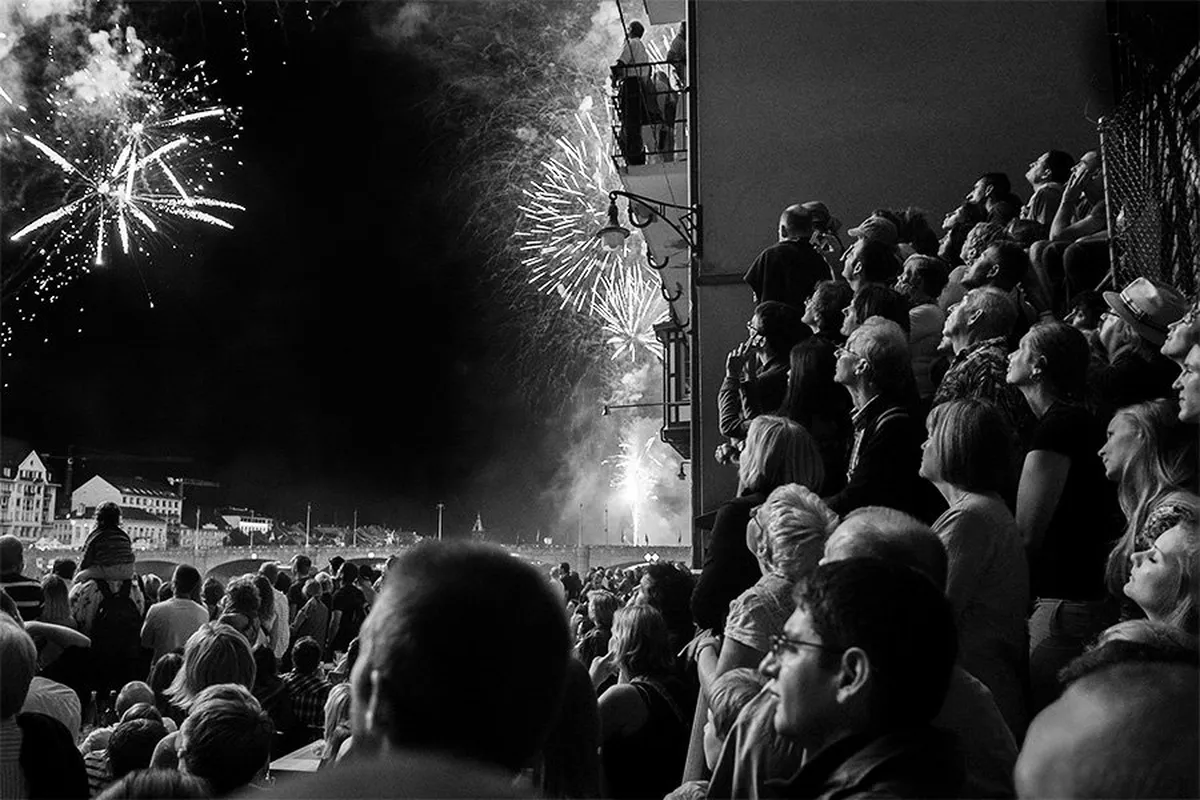
Basel-Stadt became the latest canton to pull its official Swiss National Day fireworks on July 30, canceling the displays on the Rhine and at Bruderholz because the ongoing drought and heatwave have made the risk too high to justify. The announcement landed less than 48 hours before August 1, and it pushed the canton into a group that had already been growing for a week: 12 Swiss cantons now have a total fire ban in place for National Day, including Basel-Landschaft, Freiburg, Glarus, Graubünden, Jura, Neuchâtel, St. Gallen, Ticino, Uri, Vaud, and Valais.
That is the widest such blanket prohibition Switzerland has seen in recent memory, and it arrived on the back of a fourth summer heatwave that has pushed forest fire risk to the highest or second-highest warning level in 25 of the country’s 26 cantons. The 2026 European heatwaves have rewritten what a dry August looks like across the continent, and in Switzerland the practical consequence is that a tradition most people treat as a fixture of the calendar has become something a canton can decide is untenable with a two-day notice.
Basel City’s cancellation was announced on July 30, and the official statement tied it directly to the drought and heatwave conditions that had already forced the total ban on lighting fires and setting off fireworks to be put in place. The city’s two official displays — the Rhine fireworks and the Bruderholz show — are among the largest August 1 events in German-speaking Switzerland, and their removal leaves the holiday in Basel looking fundamentally different from the one residents would have planned for even a week earlier.
The pattern matters because it is not a one-off. As of July 27, three days before Basel-Stadt’s announcement, 12 cantons had already declared an absolute fire ban, and a 13th joining the list that close to the holiday is less a fresh emergency than the latest confirmation that the emergency is general. A canton does not cancel its signature National Day event at the last minute if the forecast is ambiguous; it does it because the forecast has been unambiguous long enough that holding the event anyway would read as negligence.
That is the difference between a drought that makes fireworks inadvisable and one that makes them illegal under a total ban. The first lets organisers weigh risk and decide; the second removes the decision from them entirely. For the 12 cantons that imposed the ban, and now Basel-Stadt alongside them, the judgment is that August 1, 2026, is simply too dry and too hot to let tens of thousands of people light fireworks in or near forests that are at maximum fire risk.
The holiday will still happen — speeches, brunches, and flag displays are not affected by a fire ban — but the pyrotechnic centrepiece that has defined the evening of August 1 for generations will be absent across a wide swath of the country. When a tradition that large gets suspended by weather, the weather itself becomes part of the story people tell about that year’s celebration, and 2026 is now the year the fireworks didn’t happen in a third of the cantons because the ground was too dry to risk it.