Switzerland Joins NATO Ammunition Support Partnership, Sources Disagree on Member Count
Switzerland has entered NATO's Ammunition Support Partnership for joint procurement, but official announcements conflict on whether it is the 27th or 28th participant.
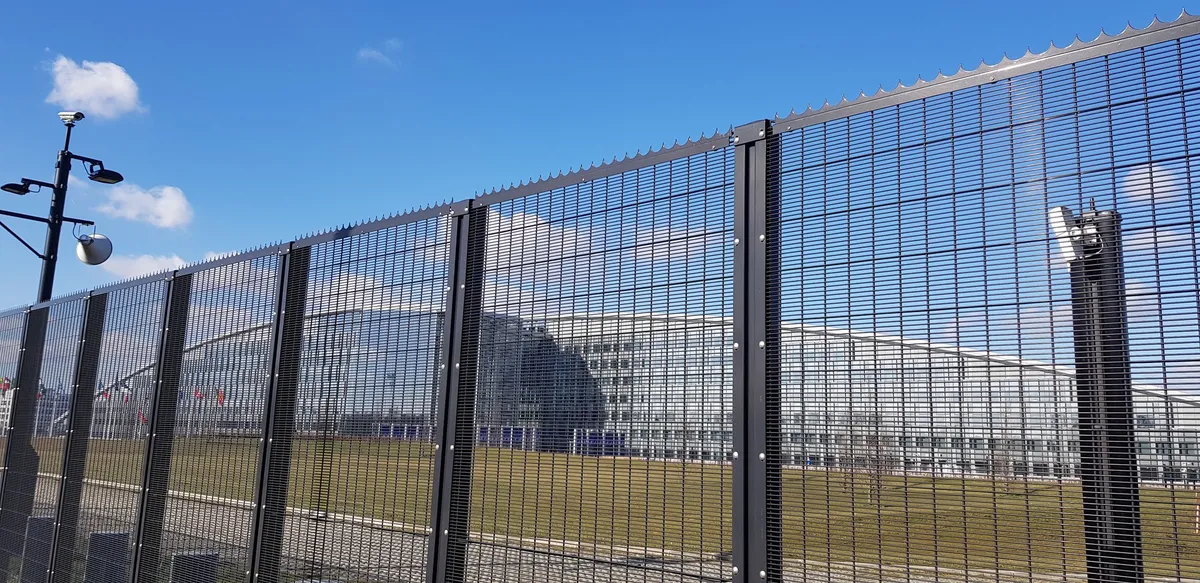

On July 2, Switzerland formally joined the NATO Support and Procurement Organisation’s Ammunition Support Partnership as its 28th participating nation. The move grants the Swiss Federal Department of Defence, Civil Protection and Sport access to established multinational procurement mechanisms designed to streamline ammunition acquisition across a coalition of like-minded states.
The practical benefits are straightforward. By pooling demand, the partnership aims to reduce costs and shorten delivery times for everything from small-calibre rounds to artillery shells. Swiss industrial companies will also be able to compete in tenders run by the NATO Support and Procurement Agency, a provision that the Federal Council expects to strengthen the country’s security-relevant technology and industrial base.
Crucially, Bern has structured its participation to sit comfortably with its long-standing policy of neutrality. The Swiss Federal Office of Communications confirmed that Switzerland can withdraw from the agreement if a partner state becomes involved in an armed conflict. This opt-out mechanism was a prerequisite for the deal, which otherwise exposes Switzerland to a diverse portfolio of over 2,000 ammunition types procured through the partnership.
What the paperwork cannot agree on, however, is how many nations actually participate. The Globalsecurity report announcing the accession described Switzerland as the 28th member. But the Swiss government’s own press release states that “26 other nations participate in the ASP,” which would make Switzerland the 27th. No official clarification has emerged for the discrepancy, though it may simply reflect a lag in updating the membership roster or a difference in how observer states are counted.
Regardless of the precise tally, the substance of the arrangement is not in dispute. Switzerland now sits inside a procurement pipeline that its own armed forces could not replicate alone, with the flexibility to walk away should the strategic situation demand it. For a country that has historically preferred bilateral armament deals, joining a NATO-adjacent buyers’ club — even one with a built-in exit clause — marks a quiet but measurable shift in how it secures its ammunition supply.
Sources
- Switzerland joins the NSPO Ammunition Support Partnership — GlobalSecurity.org (NATO Support and Procurement Agency)
- Switzerland expands international cooperation in ammunition procurement — Swiss Federal Office of Communications (BAKOM)
- Switzerland Joins NATO Partnership for Ammunition Purchases — Bluewin