Switzerland's Drought Forced a Firework-Free National Day, But Cantons Divided Over Official Exemptions
Emergency services reported a peaceable night as all 26 cantons banned private fireworks and several prohibited pyrotechnic sales, though official exemptions in Bern, Lake Zurich, and Zug sparked political backlash.
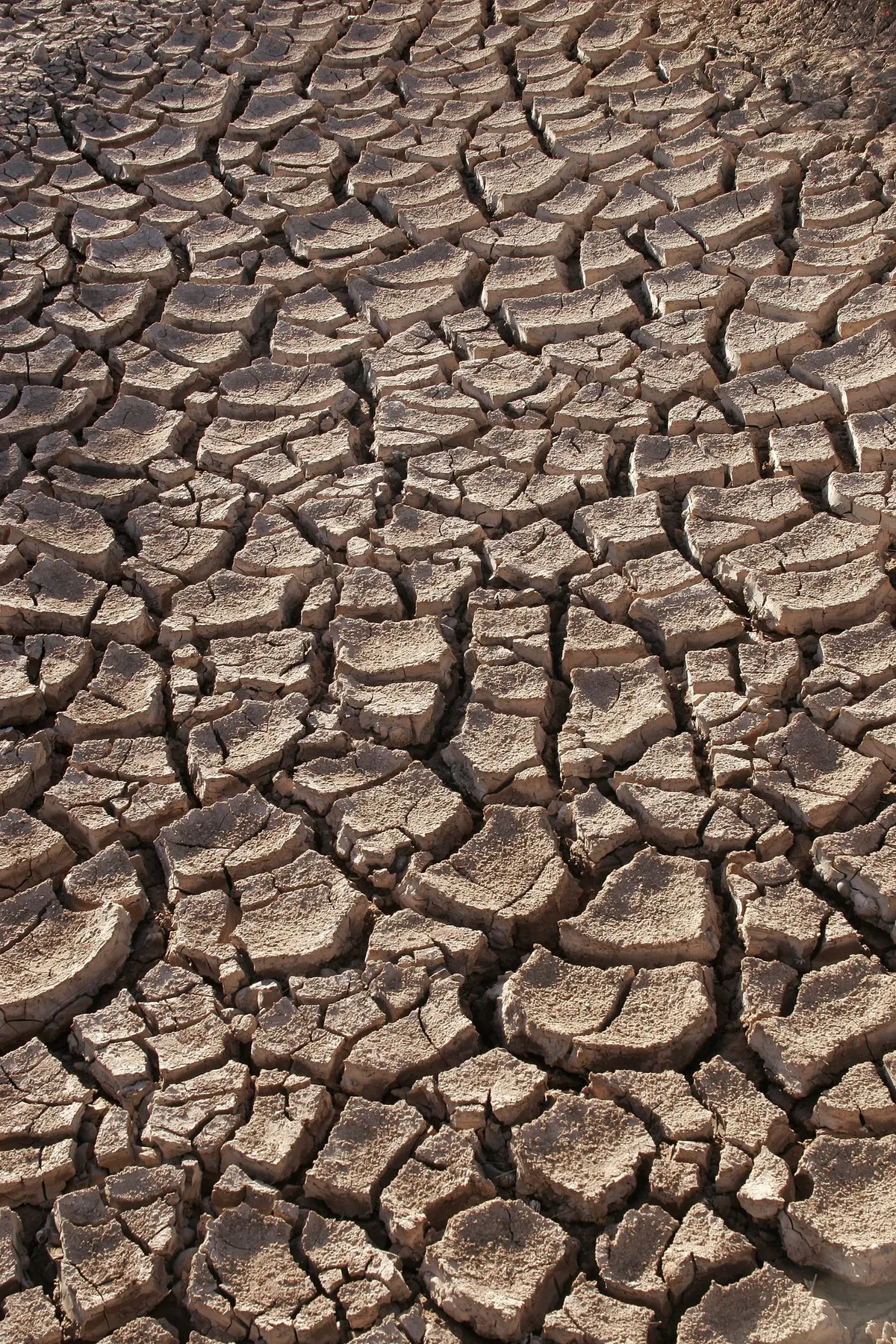

Every August 1, Switzerland normally marks its national day with a sprawling calendar of communal bonfires, backyard fireworks, and roadside barbecues. In 2026, however, the holiday was abruptly constrained by widespread drought conditions that forced all 26 cantons to impose fire restrictions before celebrations began. Geneva, Valais, and Vaud completely prohibited the retail sale of pyrotechnics, turning what was historically a weekend of informal combustion into one of sudden regulatory compliance. The cumulative effect immediately halted the uncoordinated rituals that typically define Swiss summer independence day.
With private detonations effectively removed from the national calendar, emergency responders across the country found themselves facing an unexpectedly quiet holiday. Emergency services recorded a remarkably uneventful night nationwide, as the traditional spike in fire calls failed to materialize. In Zurich, Schutz & Rettung Zürich tallied only four minor fires across a full 48-hour window, while Aargau police logged just 33 reports over the same period. The public spectacle had simply evaporated before it could start.
The uniformity of the restrictions was not entirely replicated in their enforcement. Authorities in Bern and various municipalities around Lake Zurich, alongside the canton of Zug, carved out exemptions that permitted large-scale official pyrotechnic displays to proceed despite the drought-driven bans. This selective application prompted immediate political fallout when the Green Liberal Party and Socialist politicians accused authorities of enforcing unequal treatment under the same regulatory framework. The discrepancy between cantonal fire safety protocols and the continued allowance of major public fireworks exposed a fracture in how local governments balanced tradition against risk management.
That political friction highlights a broader structural challenge for Swiss municipalities managing increasingly volatile summer conditions. When climate patterns push drought severity past a certain threshold, blanket bans become statistically safer but politically harder to implement uniformly. Officials who permitted official displays likely operated under the assumption that professional crews and municipal coordination could safely mitigate the same risks that private pyrotechnics posed on unregulated property. That calculus inevitably creates a visible disparity that voters quickly notice when one region prohibits sparklers while another stages industrial-grade fireworks over a public square.
By August 2, the immediate question had shifted from whether the bans held to how they would be remembered in future climate adaptation planning. Emergency response data provided a clear baseline: when private combustion is systematically removed from public holidays, the streets are demonstrably safer and significantly quieter. Whether those cantonal policy divergences will standardize before next dry season remains an open question, but the 2026 holiday already demonstrated how quickly environmental stress can overwrite cultural inertia. The silence on Swiss Independence Day was not a disruption of the national calendar; it was a direct measure of the drought’s reach.