Switzerland Ties Its Alpine Heat Record as Basel Hits 39.7°C During Fourth Summer Heatwave
Switzerland's highest temperature of 2026 was recorded in Basel on July 30, matching the northern Alpine record, as drought alerts reached Level 5 and August 1 fireworks were cancelled.
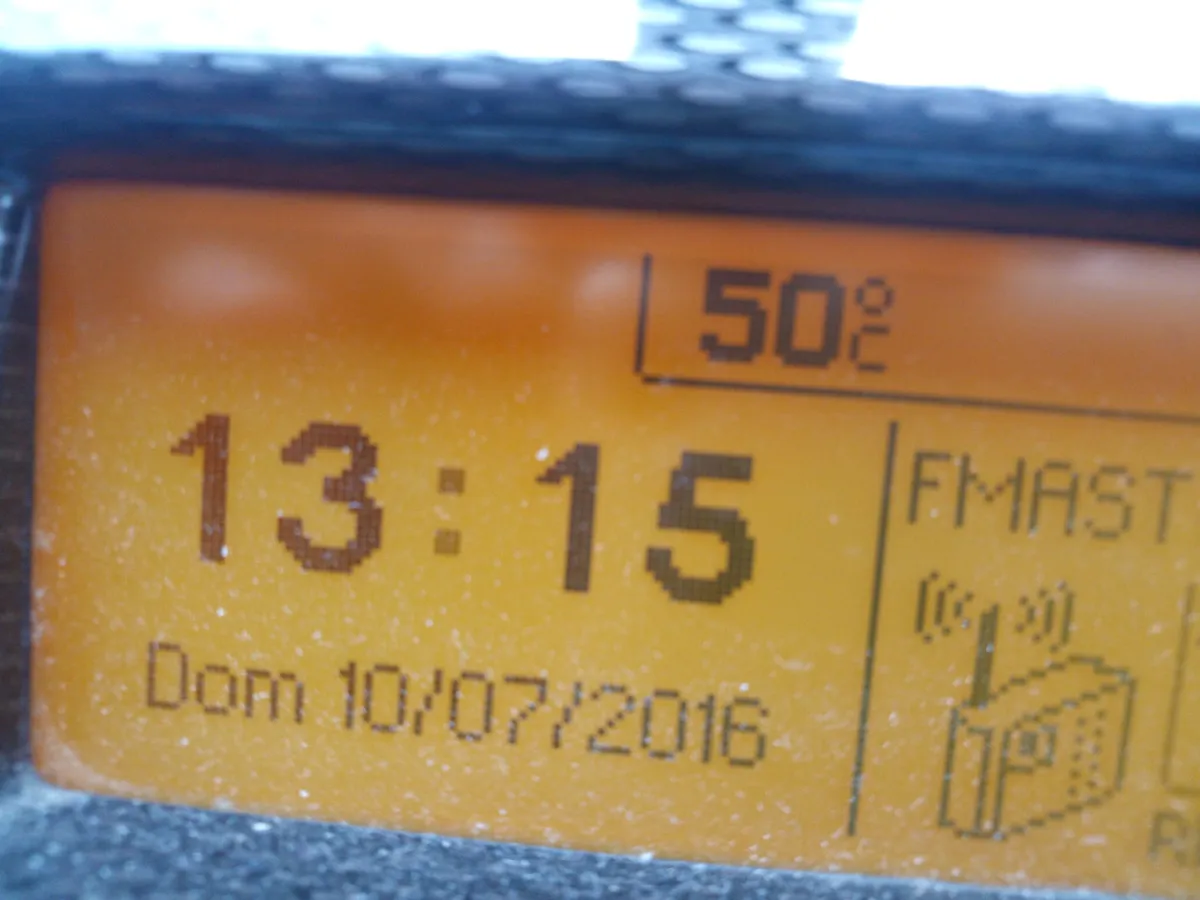

On Thursday July 30, the weather station at Basel-Binningen recorded a temperature of 39.7 degrees Celsius by 2:10 pm, tying the highest temperature ever recorded on the northern side of the Alps. It was the highest reading anywhere in Switzerland this year, set during a summer that has already delivered four separate heatwaves.
The record did not arrive in isolation. A fresh pulse of hot air had been forecast to push temperatures to between 35C and 37C across much of the country on July 29, with some models suggesting 38C was possible. The actual peak exceeded those expectations, landing firmly in the upper range of what Switzerland’s climate can produce on the plateau north of the Alps. The episode is the latest in a series of extreme heat events collectively known as the 2026 European heatwaves, which have brought drought and fire risk to multiple countries.
By the time the Basel record was set, Switzerland had been under widespread drought warnings for days. Nearly the whole country faced Level 4 (High Danger) drought conditions, with the highest Level 5 (Very High Danger) in effect across parts of Valais and central Switzerland, according to reporting from July 28. The combination of parched ground and high temperatures pushed wildfire risk to levels that prompted authorities to take the unusual step of cancelling the traditional August 1 National Day fireworks displays in many municipalities.
At 39.7°C, the Basel reading equals the warmest temperature ever measured on the Swiss side of the Alps — a mark that, until now, had stood alone as a northern outlier. The fact that it was reached this late in July, after three earlier heatwaves had already dried out soils and warmed the landscape, made it more significant for firefighters and water managers than a similar reading in a cooler spring might have been.
The cancelled fireworks are a small but tangible sign of how far this summer has diverged from normal. Switzerland’s National Day celebrations, held every August 1 since 1891, typically culminate in pyrotechnics over lakes and town squares. Cancelling them is not a decision taken lightly, and it reflects how prolonged the drying cycle has been: the same drought that raised fire danger to Level 5 in the Rhône Valley and central cantons left no margin for even a single night of controlled burns.
The Basel record may not be the last one of the summer. With four distinct heatwaves already recorded and the peak of the traditional hot season still ahead, the 2026 European heatwave season is on track to be one of the most demanding for Swiss hydrology and emergency services in decades. MeteoSwiss had already placed large swathes of the country on the second-highest heat alert before the July 30 reading, and the pattern shows little sign of breaking.