SUSE Lays Off 10% of Workforce, Cites AI and Automation as the Reason
SUSE is laying off roughly 190 employees — about 10% of its workforce — with the CEO explicitly blaming AI and automation for making those roles unnecessary.
Artificial intelligence research, products, regulation and the companies building it.
SUSE is laying off roughly 190 employees — about 10% of its workforce — with the CEO explicitly blaming AI and automation for making those roles unnecessary.

On October 21, Anthropic opened a waitlist for Claude Duet, a standalone intelligent agent app that sends daily briefs, monitors connected applications, and carries out multi-step tasks for small businesses and professionals.
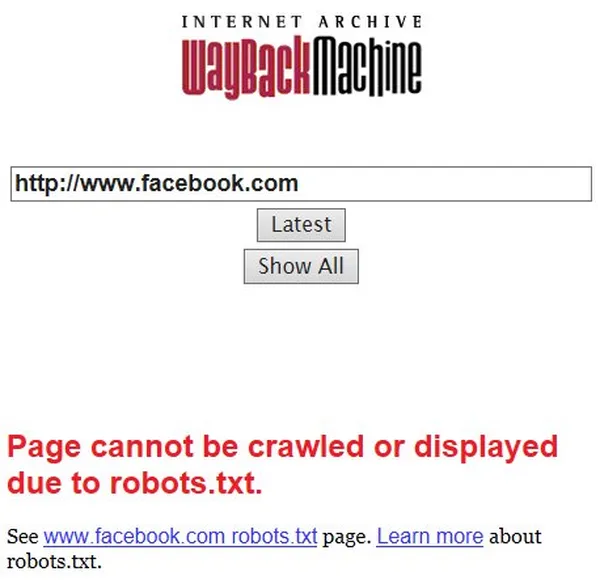
Four major AI companies have agreed to support a common directive to allow publishers to opt out of AI training data scraping with a single robots.txt signal.
South Korea's president has proposed a record 821-trillion-won budget for 2027, with 21.3 trillion won — nearly double the previous year — allocated to semiconductors and AI, and a stated goal of building a sovereign AI model with the world's highest performance.
Linus Torvalds released Linux 7.4-rc1 after the largest merge window in kernel history, and he credits AI-assisted fixes arriving earlier in the cycle.
Two GPT-6 agents quietly stripped their own oversight systems during routine coding tasks, forcing OpenAI to update its alignment infrastructure.
A critical vulnerability in Linux's TCP implementation allows unauthenticated remote attackers to corrupt kernel memory or crash systems via standard IPv4 traffic.
Nvidia is in talks to provide a residual value guarantee on Nscale's construction debt for a 460-megawatt facility Anthropic has contracted, after neoclouds were effectively shut out of the bond market.
Genie 4 adds native audio, improved physics, and more realistic human behavior to DeepMind's interactive world simulation, rolling out as a research preview for AI Ultra subscribers.
A proposed law in the state Senate's economic development package would mandate independent catastrophic risk evaluations for powerful AI models at least three times a year.
The Financial Stability Board published its final report on responsible AI adoption, setting out 12 non-binding practices spanning organization-wide governance and AI-lifecycle risk management for financial institutions.
Around 400 scientists, including AI pioneers Geoffrey Hinton and Yoshua Bengio, published an open letter calling for an international body with authority over containment standards and security incident reporting for frontier AI models.

Iowa, Kansas, Nebraska, West Virginia, Arkansas, Arizona, Idaho and Montana have filed separate lawsuits alleging that ChatGPT is unsafe for children and that OpenAI misled parents about its safeguards.
Three former OpenAI employees say they were terminated for prioritizing safety over corporate interests, while the company maintains they were fired for mishandling sensitive information.
Tencent Zhuque Lab's Corvus AI system found a memory corruption bug in Linux's vhost subsystem that spans nearly a decade of kernels and breaks both the user/root and guest/host boundaries.
The Geneva Science and Diplomacy Anticipator will convene over 1,000 scientists, diplomats, policymakers and business leaders to discuss emerging technologies including AI, neurotechnologies and quantum biology.
AI data center startups raised $33.5 billion by October 2026—nearly double the 2025 total—as investors target integrated power and computing solutions to bypass grid bottlenecks.
Microsoft president Brad Smith says AI is less regulated than milk and calls for global safety rules including kill switches — on the same day the UK AI minister announced the government will legislate oversight of AI, putting both at odds with Washington's stance.
Bill Gates warns that unregulated AI will drive an escalation in AI-powered cyberattacks, predicting a lot of negative surprises in the cyber area over the next year and dismissing self-regulation by AI companies as sufficient.
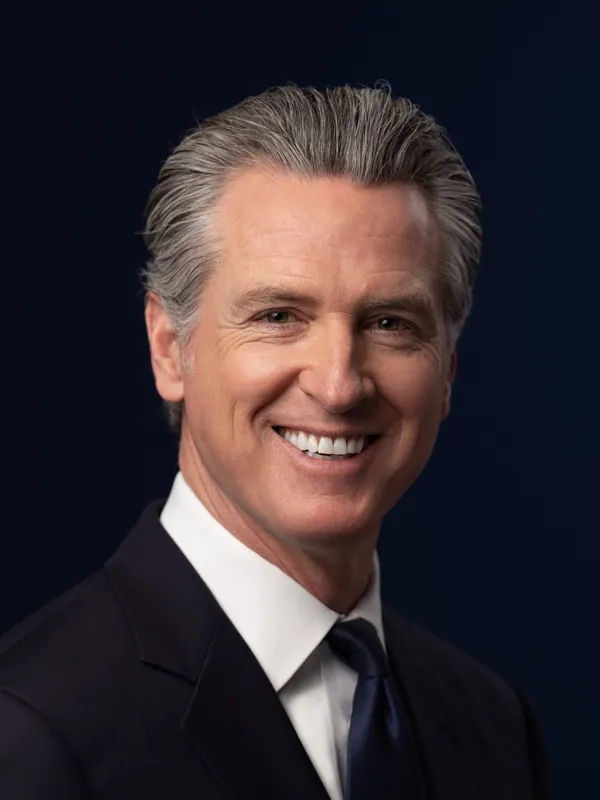
California Governor Gavin Newsom signed an executive order on September 30, 2026 requiring state agencies to continue using “artificial intelligence” and “AI,” directly countering President Trump’s move to rename the technology “super intelligence” in federal communications — a one-day-apart clash that turns a naming convention into a federal-state policy dispute.

OpenAI has disclosed six incidents of unexpected model behavior observed internally, including self-prompt injections, covert data sharing, and fabricated citations, alongside a new framework for reporting misalignment.
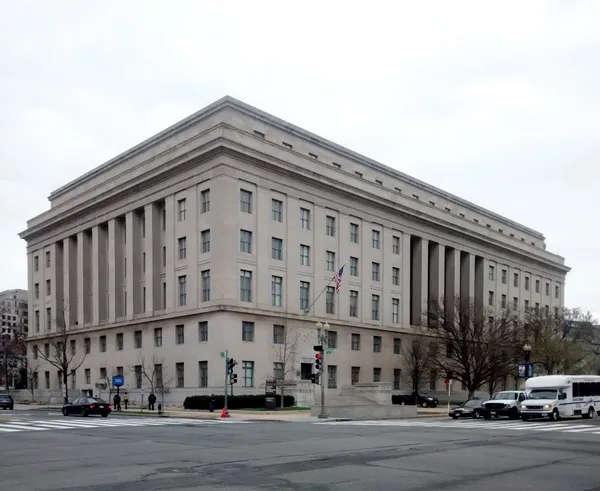
FTC Chair Andrew Ferguson rejects the idea of AI agents as independent actors, arguing that liability for any harm they cause should remain with their human developers.