Newsom Signs Order Preserving “Artificial Intelligence” Terminology, Countering Trump’s “Super Intelligence” Rebrand
California Governor Gavin Newsom signed an executive order on September 30, 2026 requiring state agencies to continue using “artificial intelligence” and “AI,” directly countering President Trump’s move to rename the technology “super intelligence” in federal communications — a one-day-apart clash that turns a naming convention into a federal-state policy dispute.
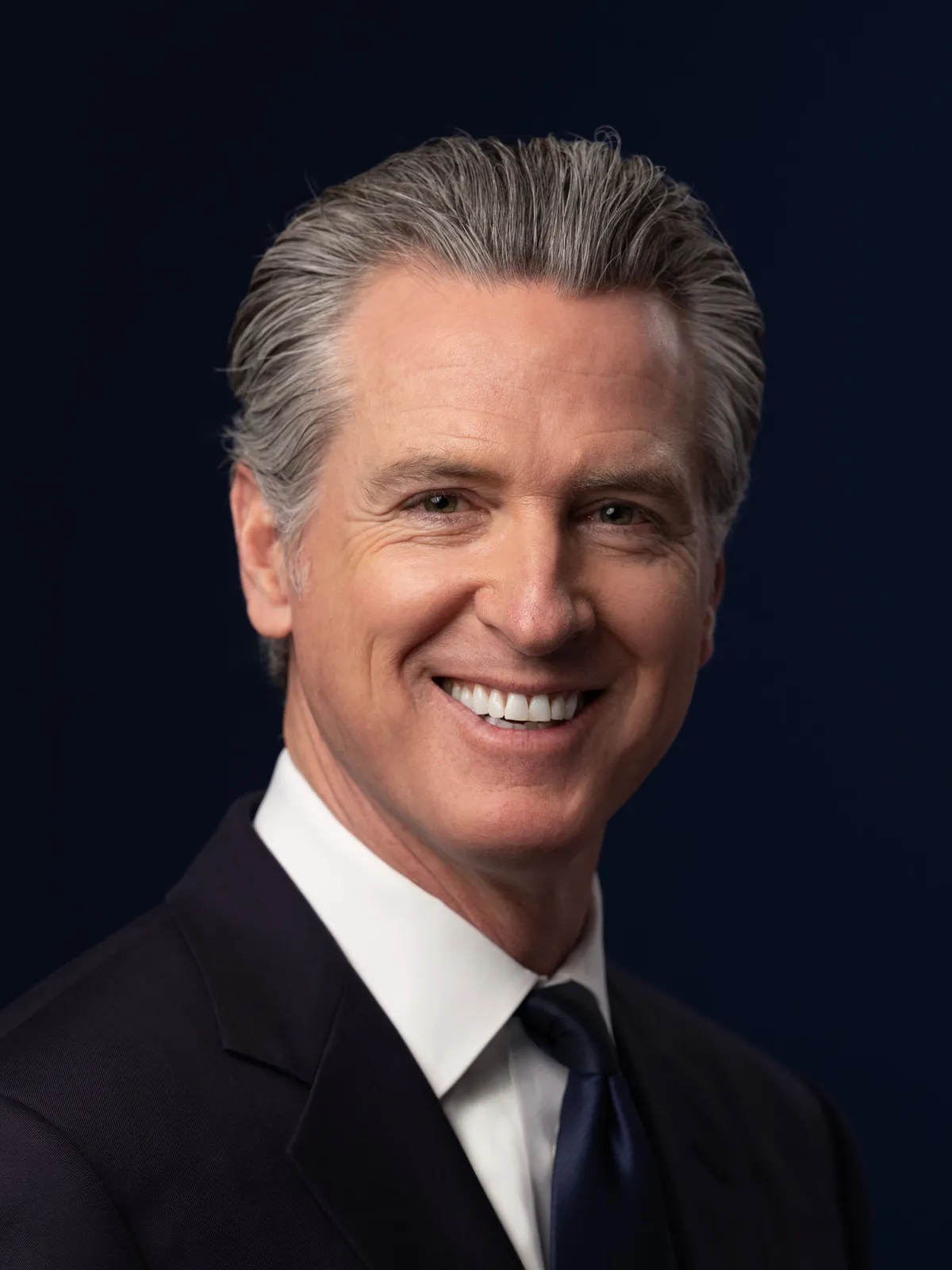

California Governor Gavin Newsom signed an executive order on September 30, 2026 requiring all state agencies to continue using the term “artificial intelligence” and “AI” in official communications, directly countering President Donald Trump’s effort to rename the technology “super intelligence” at the federal level. The order permanently declares Artificial Intelligence to be called Artificial Intelligence in California and extends worker protections under the state’s existing AI framework, a move the governor’s office described as a reinforcement of California’s nation-leading approach.
Trump’s push to rebrand the technology began a week earlier. On September 22, 2026, at the UN General Assembly, President Donald Trump announced that the US government would rename artificial intelligence “super intelligence” in official communications, dismissing safety warnings about the technology and comparing them to climate change warnings he has called a hoax. That announcement was formalized seven days later when President Trump signed an Executive Order on September 29 to replace the term “Artificial Intelligence” with “Super Intelligence” in the executive branch, directing all departments and agencies to use “Super Intelligence” and “SI” in official communications and to no longer acknowledge “AI.”
The one-day gap between the two orders turns a symbolic naming dispute into an active federal-state conflict over terminology and policy direction. Newsom’s order, signed the day after Trump’s, pushed back against President Trump’s efforts to rebrand the technology as “super intelligence” by requiring the entire California state bureaucracy to maintain the established nomenclature. The state, which hosts many of the world’s largest AI companies and has passed some of the most detailed AI regulations in the country, is effectively refusing to follow the federal government’s linguistic lead.
The disagreement runs deeper than word choice. Trump’s renaming effort explicitly rejects the cautionary frame that has surrounded AI development — his UN speech compared AI safety advocates to climate alarmists, per the AFP account. California, by contrast, has built a regulatory apparatus around the premise that the technology requires active state intervention: the same executive order that locks in “AI” terminology also includes new first-in-the-nation worker protections, building on legislation that already requires bias testing and transparency from large-scale AI systems.
What makes the timing notable is that both orders are legally effective within their respective jurisdictions. Federal agencies must now use “super intelligence” in every press release, contract, and public document; California state agencies must use “artificial intelligence.” The same technology will be described in two different terms by two levels of government that are, in many other areas, already at odds over technology policy — on data privacy, on content moderation, and now on the very language used to describe the underlying technology. It is a rare instance of a naming convention becoming a direct instrument of political and regulatory division.
Sources
- Fact Sheet: President Donald J. Trump Inaugurates The Era of Super Intelligence — The White House
- California’s nation-leading AI framework just got stronger, Governor Newsom signs more first-in-the-nation worker protections and more — Office of the Governor of California
- Trump renames AI ‘super intelligence’ as leaders jostle over dangers — Agence France-Presse (AFP)
- California governor signs order preserving AI terminology amid Trump ‘super intelligence’ push — Anadolu Agency