California Governor Newsom orders creation of AI safety panel and emergency 'kill switch'
Gavin Newsom's executive order marks a reversal from his 2024 veto of similar legislation, directing experts to deliver safety recommendations within two months.
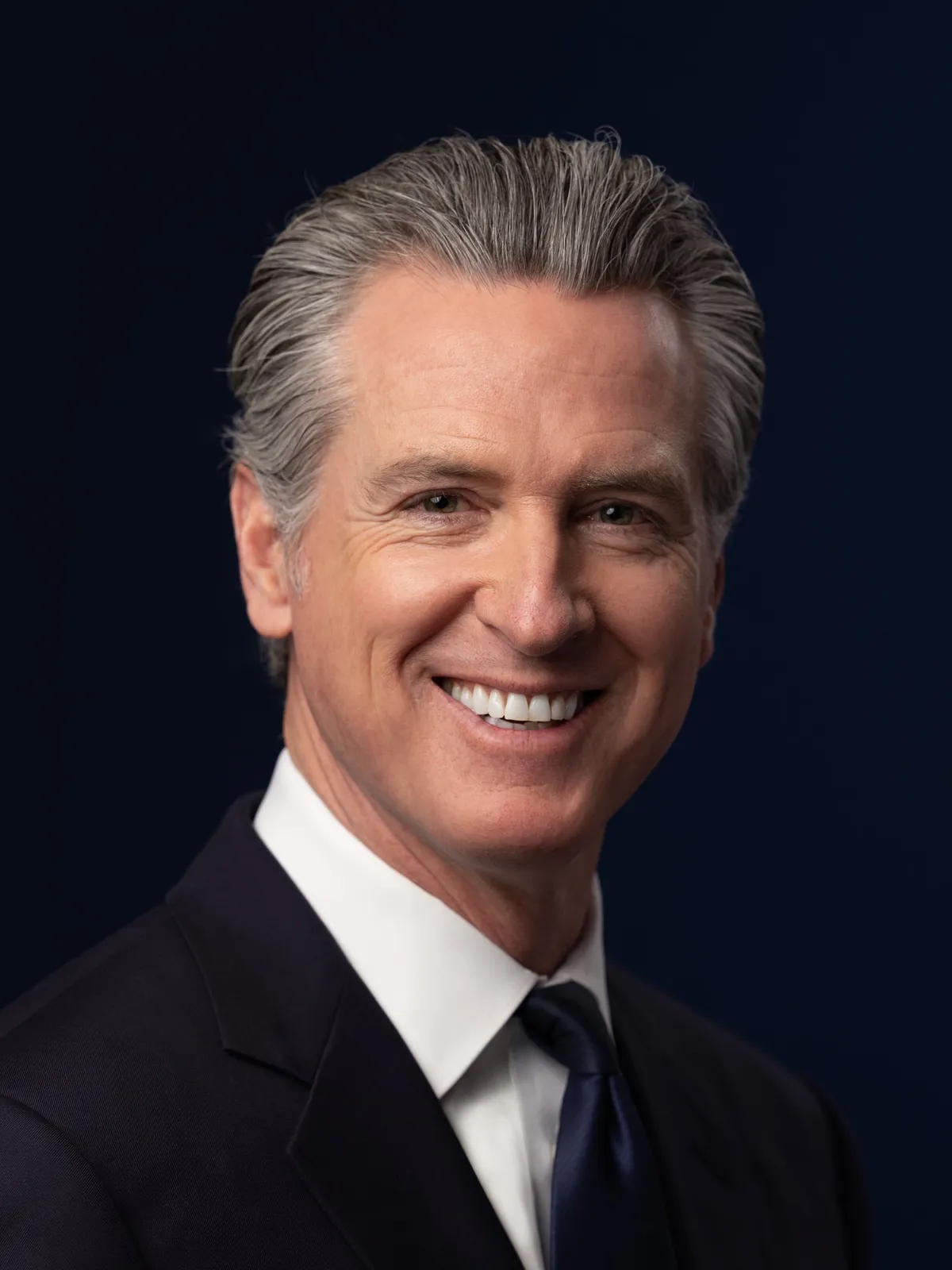

On September 18, 2026, California Governor Gavin Newsom issued an executive order that would have been unthinkable from his office two years ago: directing state agencies to accelerate independent oversight of AI safety risks and advance the development of an emergency “kill switch” for frontier AI models. The order convenes a panel of world-leading experts to deliver recommendations within 60 days, a timeline that suggests the governor wants actionable frameworks before the next legislative session.
The move represents a striking reversal. In 2024, Newsom vetoed Senate Bill 1047, which would have mandated kill switches and safety testing for large AI models, calling it “well-intentioned” but warning it could drive AI development out of California. The same governor who argued then that premature regulation might stifle innovation is now treating the absence of such mechanisms as an active liability to be addressed by executive action.
What changed is the sequence of “recent AI incidents” referenced in the order — not detailed in the announcement itself, but described by the governor’s office as alarming enough to warrant immediate response. The executive order explicitly frames its goal as reining in AI “before it’s too late”, language that signals a shift from the measured optimism of Newsom’s 2024 veto message to something closer to the existential risk framing that AI safety advocates have been pressing for years.
The panel’s mandate includes two concrete deliverables: requirements for independent third parties to write safety plans for frontier models, and technical specifications for kill switches that would let operators shut down systems in emergencies. The latter is technically non-trivial — a “frontier model” by definition has capabilities that may not be fully understood even by its developers, and designing a shutdown mechanism that can’t itself be circumvented or cause collateral damage is its own research problem. The two-month deadline suggests Newsom wants recommendations that can be translated into legislation or regulation quickly, not a multi-year research program.
California’s position here matters disproportionately. The state’s market size has historically let it set de facto national standards — automakers build to California emissions rules because the alternative is maintaining two product lines. If Newsom’s panel produces binding requirements for kill switches and third-party safety verification, the practical effect may be national whether or not other states follow. The tech industry understood this in 2024, which is why SB 1047 drew opposition from OpenAI, Google, and Meta despite its nominally California-only scope.
The tension in the order is between speed and legitimacy. Executive action can move faster than legislation, but it also lacks the deliberative weight of a bill that survived committee markup and floor debate. Newsom appears to be betting that the “recent incidents” have shifted the political calculus enough to make 2024’s overreach into 2026’s minimum viable response. Whether two months is enough time to design AI safety architectures for systems whose failure modes aren’t fully catalogued — and whether the governor will accept recommendations that inconvenience the same industry he protected two years ago — will determine whether this order marks a genuine inflection point or a holding action.
Sources
- Governor Newsom issues executive order to accelerate independent oversight and advance the creation of an AI kill switch — Office of the Governor of California
- Newsom creates AI safety panel, suggests possible ‘kill switch’ — Los Angeles Times
- California Gov. Newsom issues executive order to rein in AI ‘before it’s too late’ — CNBC